What Are the Key Trends in the Global Sofa Market in 2026? A Mid-Year Guide for Importers
Many sofa importers entered 2026 facing a different market from just a few years ago. Consumers are paying more attention to space efficiency, product functionality, fabric performance, delivery convenience, and overall value. At the same time, e-commerce continues to influence how sofas are researched, purchased, and delivered. Importers also face increasing pressure to work with transparent and reliable suppliers.
The first half of 2026 has revealed several clear market shifts. Understanding these changes can help importers make better product decisions and prepare for the second half of the year.
Trend 1: Modular and Multifunctional Furniture Continues to Expand
Flexibility is becoming one of the strongest selling points in the sofa market. Many consumers want sofas that can adapt to smaller homes, changing layouts, and different daily uses.

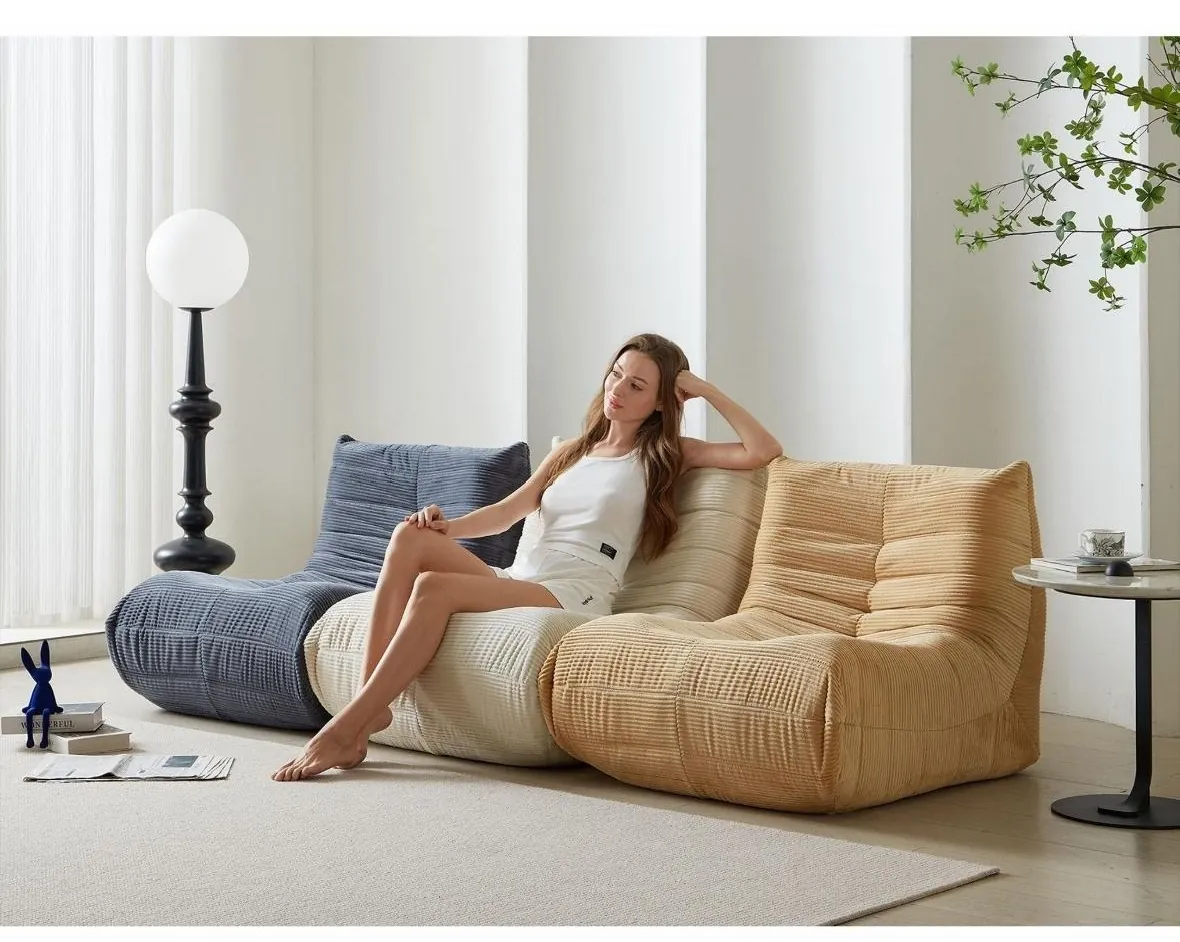
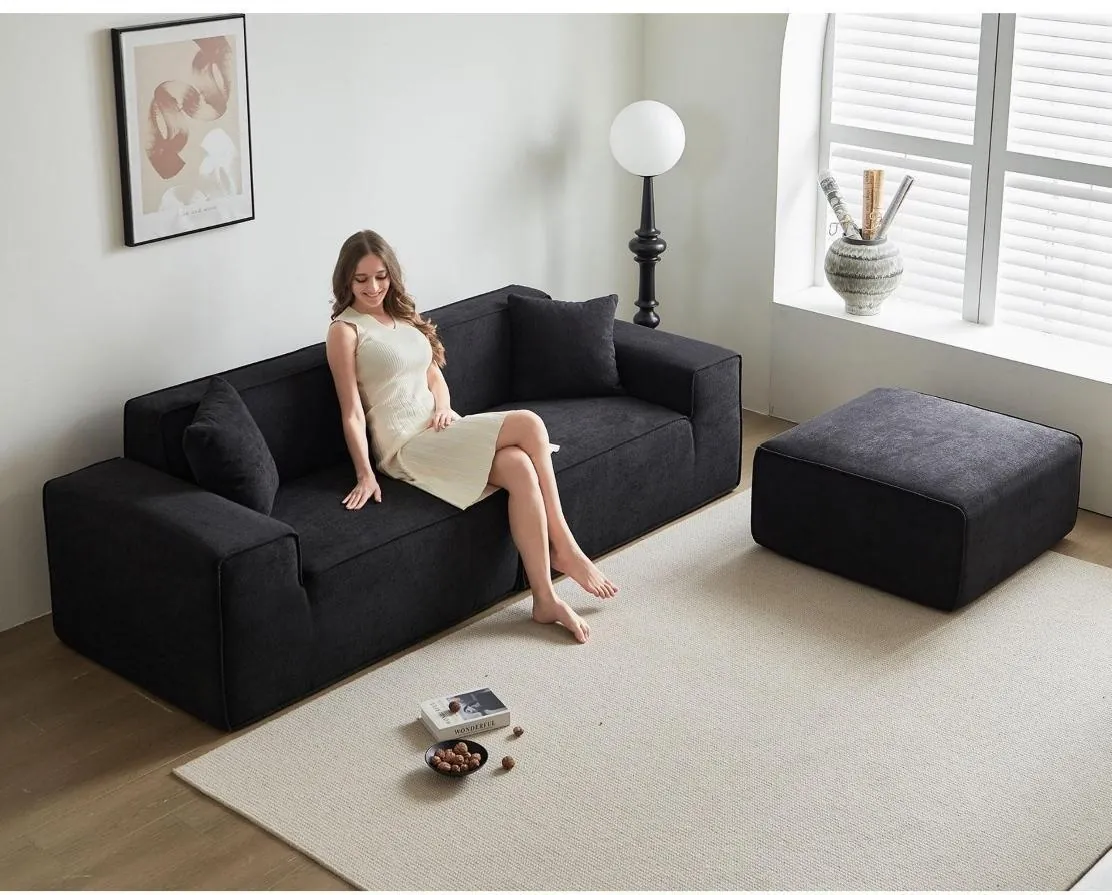
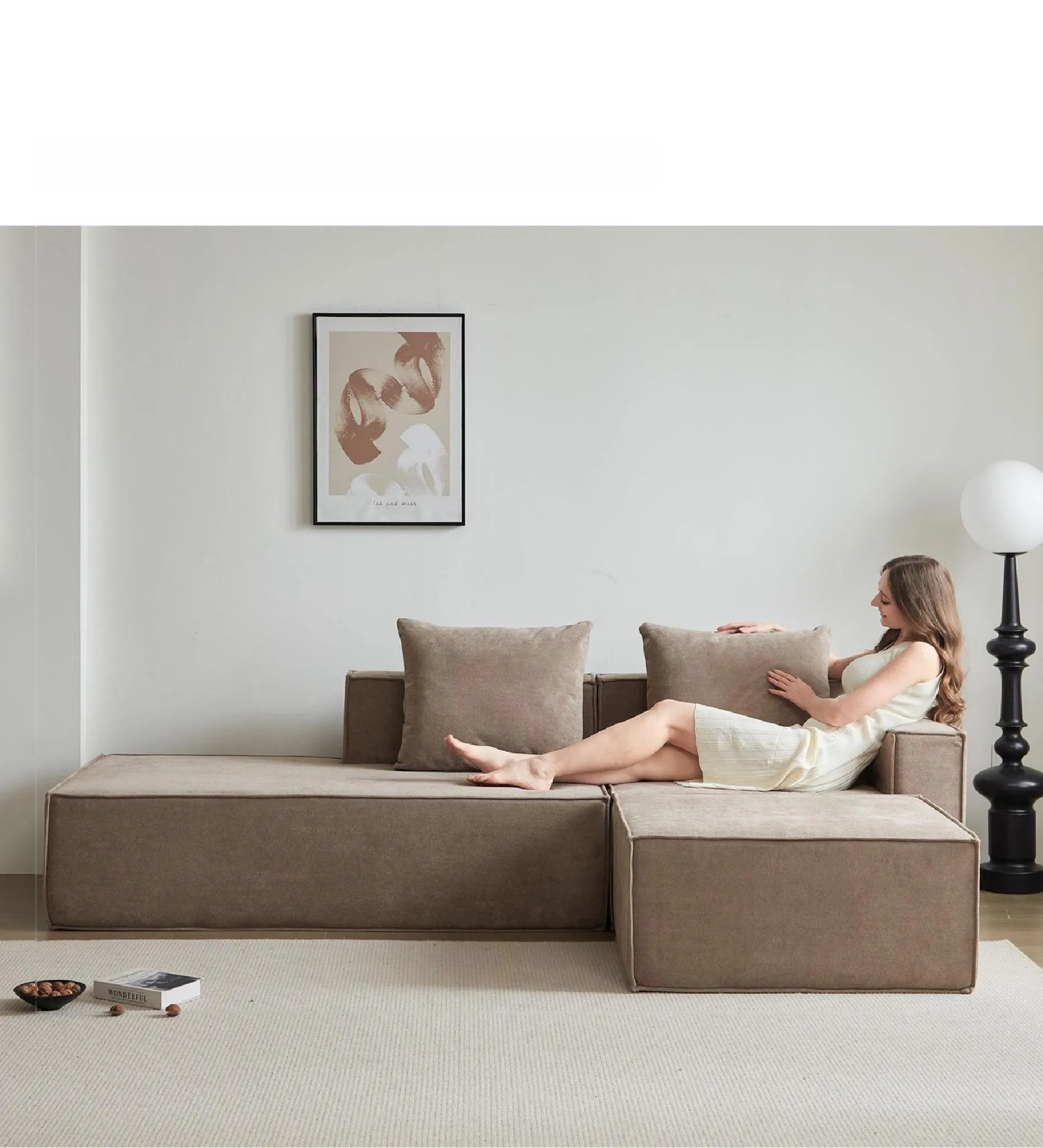
Modular sofas, sectional sofas, and sofa beds continued to gain attention during the first half of 2026. This trend is linked to smaller living spaces, hybrid work, rental housing, and the need for furniture that can serve more than one purpose.
For importers, modular design should no longer be viewed only as a premium feature. In many markets, flexibility is becoming a basic product expectation. Sofa beds also remain important because they solve both seating and sleeping needs in small apartments, guest rooms, and rental properties.
In the second half of 2026, importers should pay attention to removable modules, easy assembly, washable covers, and sofa bed designs that do not look bulky. These features can help products fit both online sales and small-space living.
Trend 2: Performance Fabrics Become More Important
Fabric choice is becoming a larger purchasing factor. Buyers want upholstery fabrics that look good, resist wear, and reduce daily-use problems after delivery.

In the first half of 2026, fabric demand showed a clear split. Mass-market buyers continued to prefer durable fabrics that resist stains, pilling, and daily wear. Families with children and pets were especially sensitive to fabric performance.
At the same time, textured fabrics such as corduroy, bouclé, chenille, and performance velvet remained popular in mid-range and premium markets. This shows that buyers want both appearance and function. A fabric must look attractive, but it must also survive shipping, unpacking, and daily use.
For importers, fabric selection affects return rates, reviews, and product positioning. In the second half of 2026, durable upholstery fabrics and clear fabric testing information may become more important in supplier selection.
Trend 3: Market Polarization Is Reshaping Product Positioning
The sofa market is becoming more value-driven. Buyers are not only asking for lower prices. They are asking whether the product is worth the price.

Economic pressure has changed how many consumers compare sofas. Some buyers are more careful with budgets. Other buyers still purchase higher-priced products, but they expect stronger value, better materials, or more useful features.
This creates pressure in the middle of the market. Products that are neither clearly affordable nor clearly better may face stronger competition. A sofa with no clear advantage in comfort, durability, shipping efficiency, design, or function becomes harder to sell.
For importers, the key is not to cover every price range. The better strategy is to define the target customer clearly. Low-price products need strong cost control and stable quality. Mid-to-high-end products need better fabric, stronger design, clearer product value, or a more convincing brand story.
Trend 4: E-Commerce Continues to Shape Purchasing Decisions
Online research now plays a major role in sofa buying. Even when customers buy offline, many decisions begin with online comparison.

Consumers now compare sofas through photos, videos, reviews, size details, fabric information, and delivery descriptions before they contact a seller. This means product content has become part of the sales process.
For importers and distributors, weak product presentation can reduce conversion rates. Clear images, short videos, room-scene photos, unpacking content, and accurate specifications can make buyers more confident. These materials can also reduce returns caused by wrong expectations.
Compressed and boxed sofa products have a natural advantage in e-commerce because they are easier to explain through packaging size, delivery method, and unboxing videos. In the second half of 2026, strong online content will remain important for both online platforms and offline retailers.
Trend 5: Sustainability Becomes Part of Supplier Evaluation
Sustainability is becoming part of furniture sourcing. Buyers are paying more attention to materials, durability, packaging, and supplier documentation.

In the first half of 2026, sustainability continued to move from a marketing topic toward a supplier evaluation factor. Many buyers now ask about foam safety, fabric certification, wood sourcing, packaging materials, and product lifespan.
For sofa importers, sustainability should not be treated only as an environmental claim. It is also linked to product durability, compliance, customer trust, and retailer requirements. A sofa that lasts longer and arrives with less damage can support both sustainability and after-sales performance.
In the second half of 2026, importers may need more transparent supplier documents. Foam certifications, fabric test reports, packaging information, and material declarations can help buyers reduce risk and improve market confidence.
What May Happen in the Second Half of 2026?
Most trends seen in the first half of 2026 are likely to continue. The main change is that competition may become stronger as more suppliers adjust their product lines.
Several directions may remain important in the second half of the year:
- Modular and multifunctional sofa designs may continue to grow.
- Performance fabrics may become more common in mass-market products.
- Buyers may compare value more carefully before placing orders.
- Online content may become more important for both sales and trust.
- Supplier transparency may become a stronger advantage.
Importers should not treat these trends as separate issues. Product design, fabric choice, packaging, shipping, compliance, and online presentation now work together. A sofa that sells well must meet both customer needs and supply chain needs.
Key Takeaways for Importers
Successful importers are increasingly balancing product appeal with operational efficiency. Product selection should consider sales potential, shipping performance, after-sales risk, and supplier support at the same time.

| Area | Recommended Focus |
|---|---|
| Product Strategy | Modular sofas, sofa beds, compact designs |
| Fabric Strategy | Durable fabrics and clear test data |
| Pricing Strategy | Clear value instead of broad positioning |
| Sales Channels | Strong online content and product details |
| Supplier Selection | Compliance, transparency, and stable quality |
For the second half of 2026, importers should avoid adding products only because they look trendy. A stronger approach is to check whether the product fits the target market, shipping model, price range, and after-sales capacity.
Conclusion
The first half of 2026 shows that the global sofa market is becoming more practical, more digital, and more value-driven. Buyers expect sofas to solve real problems, not only fill living rooms.
For importers, the main opportunities in the second half of 2026 will likely come from modular furniture, sofa beds, durable fabrics, stronger product content, and suppliers that can provide clear documentation. Businesses that adjust early may be better prepared for continued market changes.
Planning a Retail, Distribution, or OEM / ODM Sofa Program?
F-concept Inc. supports B2B sourcing for furniture retailers, distributors, importers, projects, and growing brands. Confirm the selected model, carton plan, sample scope, and order requirements before production.
Related B2B Guides
Related OEM / ODM Products
Need Custom Sofa Manufacturing or Wholesale Orders?
Whether you need OEM/ODM manufacturing, white-label packaging, or bulk wholesale from the standard catalog, F-concept Inc. is the source factory you can trust.
For the fastest quote, please provide:
- Target Market / Platform (e.g. Amazon, Wayfair)
- Estimated Quantity (standard bulk MOQ starts at 10 sets per model/color)
- Fabric & Material Requirements
- Target Price Point