The Lifespan of Sofas: Lifespan of 7 Popular Sofa Types Explained
Sofas vary widely in lifespan depending on materials, structure, usage frequency, and care. From lightweight flat pack sofas to sturdy solid wood models, understanding the durability of each type helps both consumers and importers make informed decisions.
This article explores the average service life of seven popular sofa types, offering key technical insights, field data, and durability comparisons.

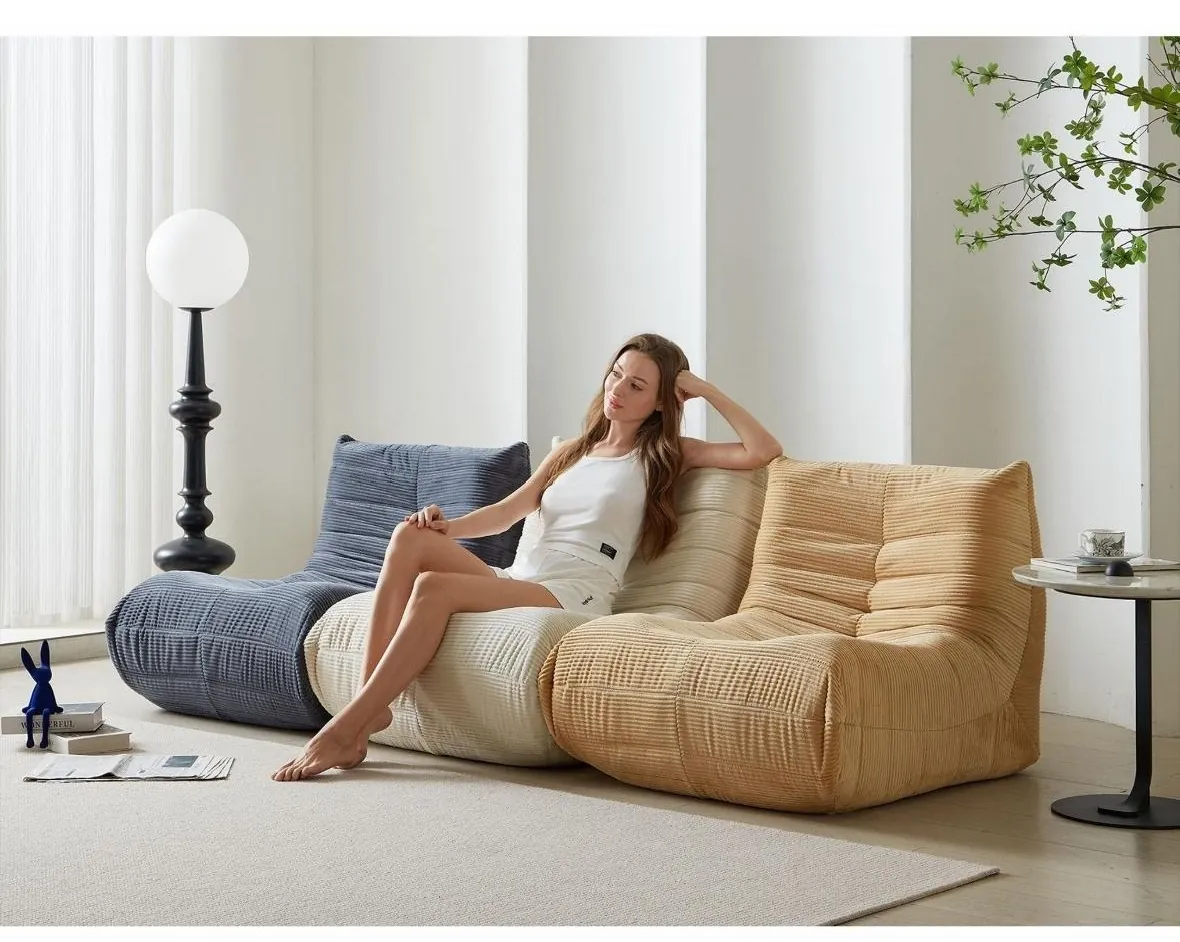
flat pack sofa
Lifespan: 10–15 years (the core depends on the quality of the foam)

Key details:
flat pack sofas use high-density foam and wrinkle-resistant fabric. To ensure long-term resilience, the rebound rate after unpacking must be ≥99%, and the thickness loss after 100,000 compression cycles is typically <8%. Fabrics must meet ≥150N tear strength based on ASTM D2261.
Market feedback:
Popular for apartments, pet-friendly homes, hotels, and e-commerce platforms. Their space-saving design and easy installation have led to rapid sales growth, especially on online channels.
Fabric Sofa
Lifespan: 5–10 years (high-quality models may reach up to 15 years)

Key details:
Frames made of birch or pine offer better resistance to warping. E0-grade boards provide lower formaldehyde emissions for eco-conscious consumers. Fabric types vary—cotton-linen blends are breathable but fade easily, while tech fabrics treated for waterproofing, stain resistance, and oil-proofing can withstand 50,000+ rub cycles (e.g., 3M Scotchgard-certified).
The sponge filling should have a density ≥30kg/m³. Premium cushions tested at 100,000 cycles showed only 5% thickness loss.
Market feedback:
In Europe and the US, the average usage for mid-to-high-end fabric sofas is around 8.2 years. Removable and washable covers can extend usage by an additional 2–3 years.
Leather Sofa
Lifespan: 8–15 years (top-grain leather can exceed 20 years with care)

Key details:
Top-grain cowhide (1.2–1.8mm thick) is 30% more durable than split leather. Premium leather from Tuscany, Italy passes knife scratch tests at 50N. Frames built with oak or walnut, using mortise and tenon joints, provide superior structural integrity. Testing from a Foshan manufacturer shows solid wood frames withstanding 500kg without deformation.
Market feedback:
In North America, over 65% of well-maintained top-grain leather sofas remain in use after 10 years. They also hold 20% more resale value compared to fabric sofas in the second-hand market.
Functional Sofa
Lifespan: 5–10 years (motor life is the main limiting factor)

Key details:
Premium electric recliners use German OKIN motors with 5-year warranties and ≤45 dB noise. Sofa factory tests show <3% failure rate after 15,000 lift cycles. Upholstery includes PU leather or dense polyester with Martindale wear ratings ≥30,000. Some models feature memory foam + latex for pressure relief.
Market feedback:
European dealers report an average maintenance cycle of 4.7 years for electric models. Motor-related issues account for 42% of failures. Regular lubrication of guide rails significantly reduces failure rates.
Solid Wood Sofa
Lifespan: 10–20 years (hardwood models may last up to 30 years)

Key details:
Ash wood (0.6–0.7g/cm³ density) is more stable than pine (0.35–0.5g/cm³). A walnut frame from a Sichuan manufacturer showed <1% cracking after a 10-year humidity cycle (40%–80%). Finishes using natural wood wax oil are eco-friendly and provide a friction coefficient of 0.8 in steel ball tests.
Market feedback:
In Japan, 85% of oak-frame sofas have a usage lifespan exceeding 20 years. Second-hand resale values range from 40%–50% of the original retail price.
Outdoor Sofa
Lifespan: 3–8 years (weather exposure is a key factor)

Key details:
6063-T5 aluminum alloy frames (≥160MPa tensile strength) show zero rust after 1,000 hours of salt spray testing. PE rattan should pass UV8 standards (≥5,000 hours weather resistance). Fabrics like Sunbrella achieve ISO 105-B02 color fastness level 8. In coastal Florida tests, fade rates were <5% after 5 years.
Market feedback:
Outdoor sofas in coastal Australia last around 5.2 years, while desert environments in the Middle East shorten lifespan to 3–4 years due to heat and sand abrasion.
Office Sofa
Lifespan: 3–8 years (shorter in high-frequency use environments)

Key details:
Frames are typically made of cold-rolled steel or high-strength alloy, with load-bearing tests reaching 300kg. A brand test showed <1% deformation after 20,000 sit cycles. Upholstery materials include PU leather, artificial leather, or high-strength fabric with abrasion ratings ≥80,000 Martindale cycles. Some models feature nano-coatings that improve cleanability by 50%.
Market feedback:
According to the European and American Office Furniture Association, the average replacement cycle for office sofas is 5.3 years. In high-use sectors like finance and tech, this shortens to 3–4 years.
Conclusion
Sofa lifespan is shaped by materials, structural engineering, and the environment in which it’s used. Whether for home, office, or outdoor settings, understanding the durability of different sofa types can help buyers select products that align with usage needs and long-term value expectations.
Planning a Retail, Distribution, or OEM / ODM Sofa Program?
F-concept Inc. supports B2B sourcing for furniture retailers, distributors, importers, projects, and growing brands. Confirm the selected model, carton plan, sample scope, and order requirements before production.
Related B2B Guides
Related OEM / ODM Products
Need Custom Sofa Manufacturing or Wholesale Orders?
Whether you need OEM/ODM manufacturing, white-label packaging, or bulk wholesale from the standard catalog, F-concept Inc. is the source factory you can trust.
For the fastest quote, please provide:
- Target Market / Platform (e.g. Amazon, Wayfair)
- Estimated Quantity (standard bulk MOQ starts at 10 sets per model/color)
- Fabric & Material Requirements
- Target Price Point