Selling Sofas Online vs In-Store: Pros and Cons Explained
In 2025, sofa sellers face a crucial decision—should they focus on online channels, stick with physical stores, or blend both?
This article breaks down the pros and cons of online and in-store sofa selling across five key areas: consumer experience, cost structure, product strategy, traffic sources, and after-sales service.

If you’re navigating channel expansion or restructuring your sales model, this guide will help you choose the right path for scale and profitability.
Difference in consumer experience
The consumer journey differs dramatically between offline and online channels—from product exploration to final decision-making.
Each model brings unique advantages in trust-building, speed, and user feedback.

| Channel | Advantages | Disadvantages |
|---|---|---|
| Selling Sofas In-Store | ◉ Sensory verification: Customers can touch fabrics, test comfort directly (conversion +40–70%) ◉ On-site assistance: Shopping guides handle questions in real time | ◉ Limited SKUs: Store space limits model display (typically 20–50 models) ◉ Limited radius: Covers buyers within 15–20km |
| Selling Sofas Online | ◉ Convenience: 24/7 access with AR tools and 360° product views ◉ Information-rich: Videos, reviews, specs all in one page | ◉ No physical testing: Touch experience is missing; return rate increases by 15–23% ◉ Delayed satisfaction: Longer wait times impact instant gratification |
Difference in cost structure
Cost structures between the two models are fundamentally different. Physical retail demands heavy fixed costs, while online operations face traffic and logistics challenges.

| Channel | Advantages | Disadvantages |
|---|---|---|
| Selling Sofas In-Store | ◉ High-margin upsells: Combos (sofa + coffee table) yield 35–45% margins ◉ Better for customization sales | ◉ High fixed costs: Rent = 20–30% of revenue; Labor = 10–15% ◉ Higher upfront investment in showroom setup |
| Selling Sofas Online | ◉ Lower operating cost: No rent/decor; overhead <12% ◉ Flexible inventory: Supports pre-sale/on-demand models | ◉ High traffic cost: CPC $5–8 in key categories; acquisition cost >20% of revenue ◉ Logistics cost: Delivery eats 8–12% of unit price |
Product management strategy
Different channels require tailored product strategies—from modular flexibility online to high-touch customization in stores.
Sellers must manage SKUs, inventory flow, and profit margins carefully for each route.

| Channel | Applicable Products | Core Challenges |
|---|---|---|
| Selling Sofas In-Store | ◉ Modular sofas with upgrade potential ◉ Customizable models (size/fabric tailoring) | ◉ Limited SKUs: Showroom constraints ◉ Inventory pressure: Ties up cash flow in floor stock |
| Selling Sofas Online | ◉ Flat-packed modular sofas and single chairs ◉ Hot-sale models priced between $300–$1,200 | ◉ Delivery damage: Breakage rate 11%+ ◉ Price competition: Frequent promotions shrink margins below 8% |
Traffic acquisition method
Where your customers come from—and how much it costs to get them—varies wildly by channel.
Offline relies on location; online thrives on algorithms, SEO, and paid ads.

| Channel | Advantages | Disadvantages |
|---|---|---|
| Selling Sofas In-Store | ◉ Accurate reach: Home furnishing district footfall converts 12–18% ◉ Higher trust: Physical presence builds credibility | ◉ Passive traffic: Limited to local exposure ◉ Difficult to scale audience reach |
| Selling Sofas Online | ◉ Global exposure: Breaks geography limits ◉ Long-tail traffic: Matches niche tastes via search and retargeting | ◉ Platform dependency: Algorithm drops can reduce traffic by 30% ◉ High competition: Paid ad bidding increases costs |
After-sales service
Sofas require strong after-sales support—repairs, returns, and setup assistance. This area greatly affects brand perception and repeat purchase rates.

| Channel | Advantages | Disadvantages |
|---|---|---|
| Selling Sofas In-Store | ◉ Immediate handling: Same-day problem resolution; complaint rate <8% ◉ Premium services: Renovation/cleaning upsells possible | ◉ High fixed service cost: On-site teams required ◉ Manpower bottlenecks during peak seasons |
| Selling Sofas Online | ◉ Self-service process: App returns match Gen Z habits ◉ Data-driven feedback: Helps improve product packaging and design | ◉ Slow resolution: Return/repair cycle = 7–12 days ◉ High reverse logistics cost (15–20% of item value) |
Conclusion
There’s no one-size-fits-all answer—selling sofas online vs in-store comes down to your target market, product type, and capital strategy.
Offline offers high trust and margin, online offers scalability and flexibility. The real opportunity in 2025? Combine both.
Blended models—showroom + online checkout or online display + offline pickup—are redefining how people buy sofas today.
Planning a Retail, Distribution, or OEM / ODM Sofa Program?
F-concept Inc. supports B2B sourcing for furniture retailers, distributors, importers, projects, and growing brands. Confirm the selected model, carton plan, sample scope, and order requirements before production.
Related B2B Guides
Related OEM / ODM Products
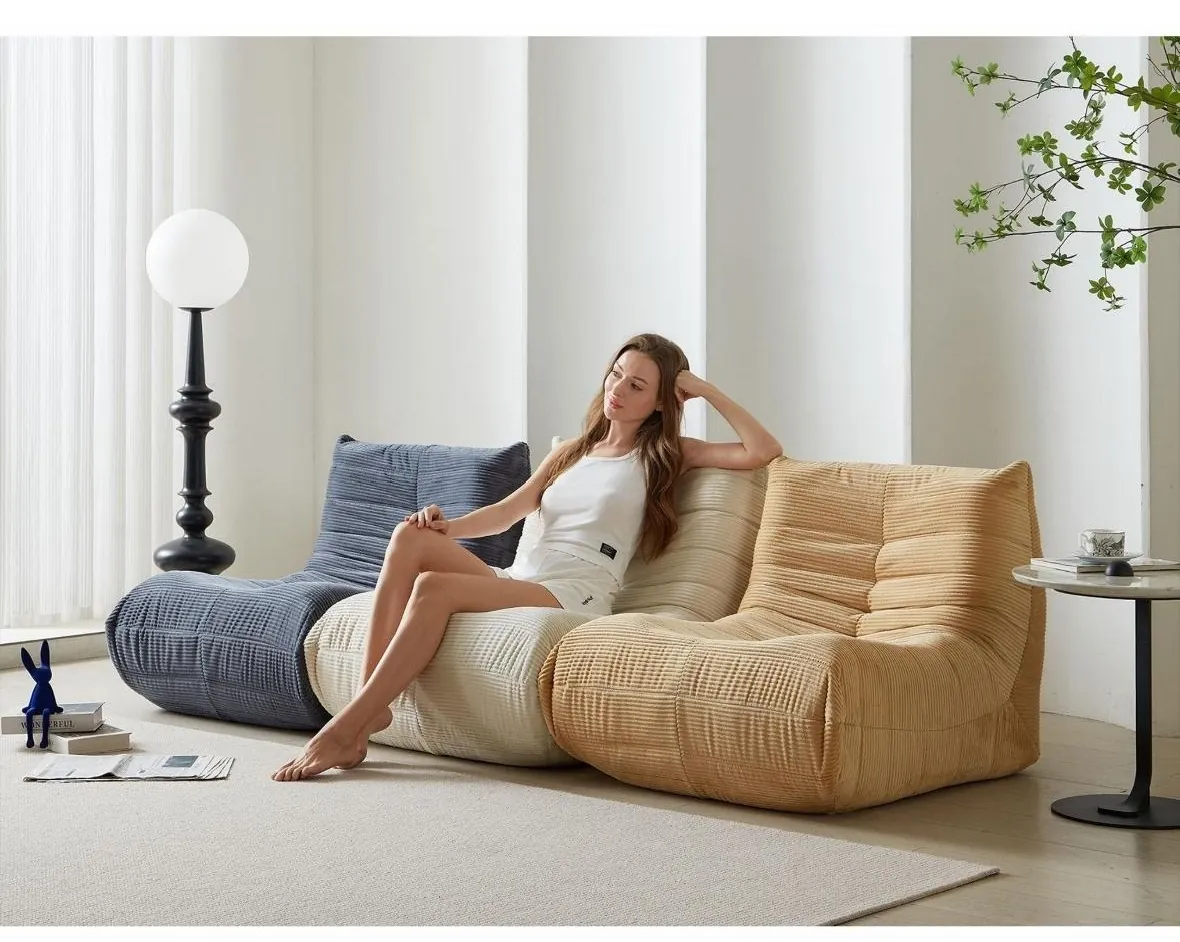
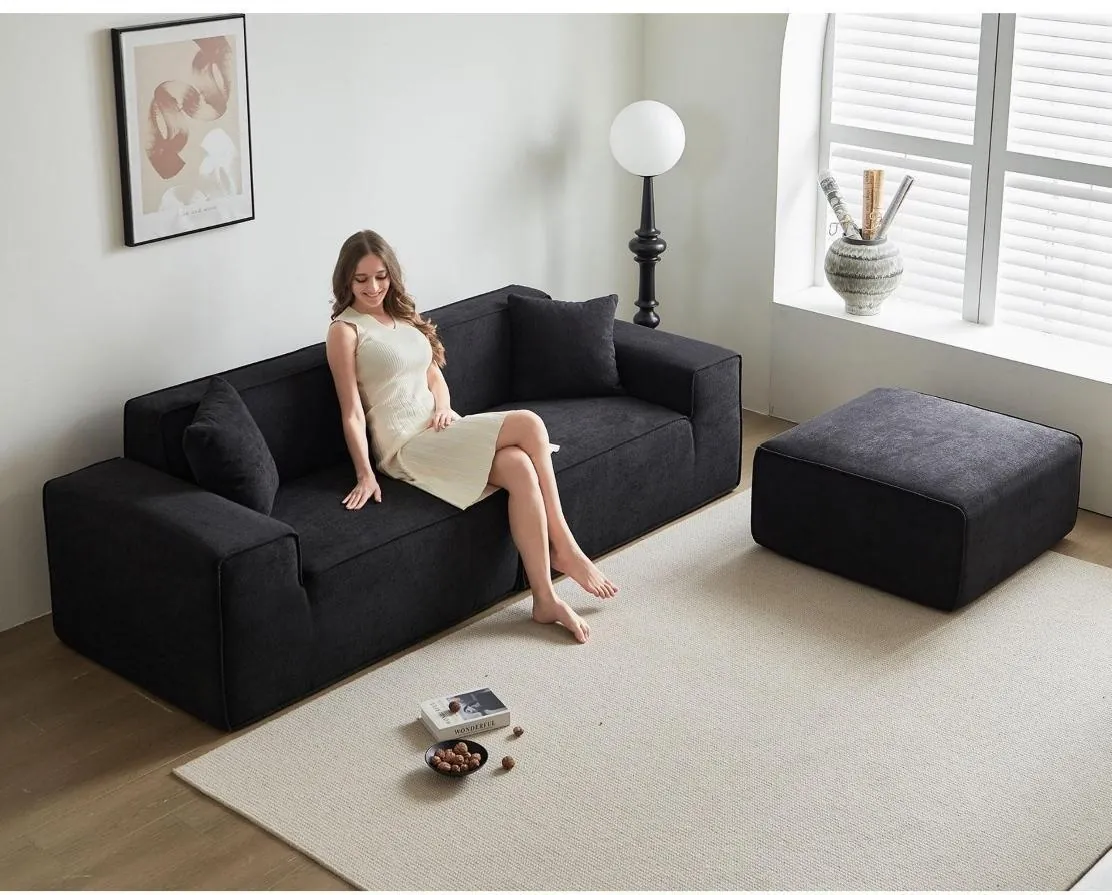
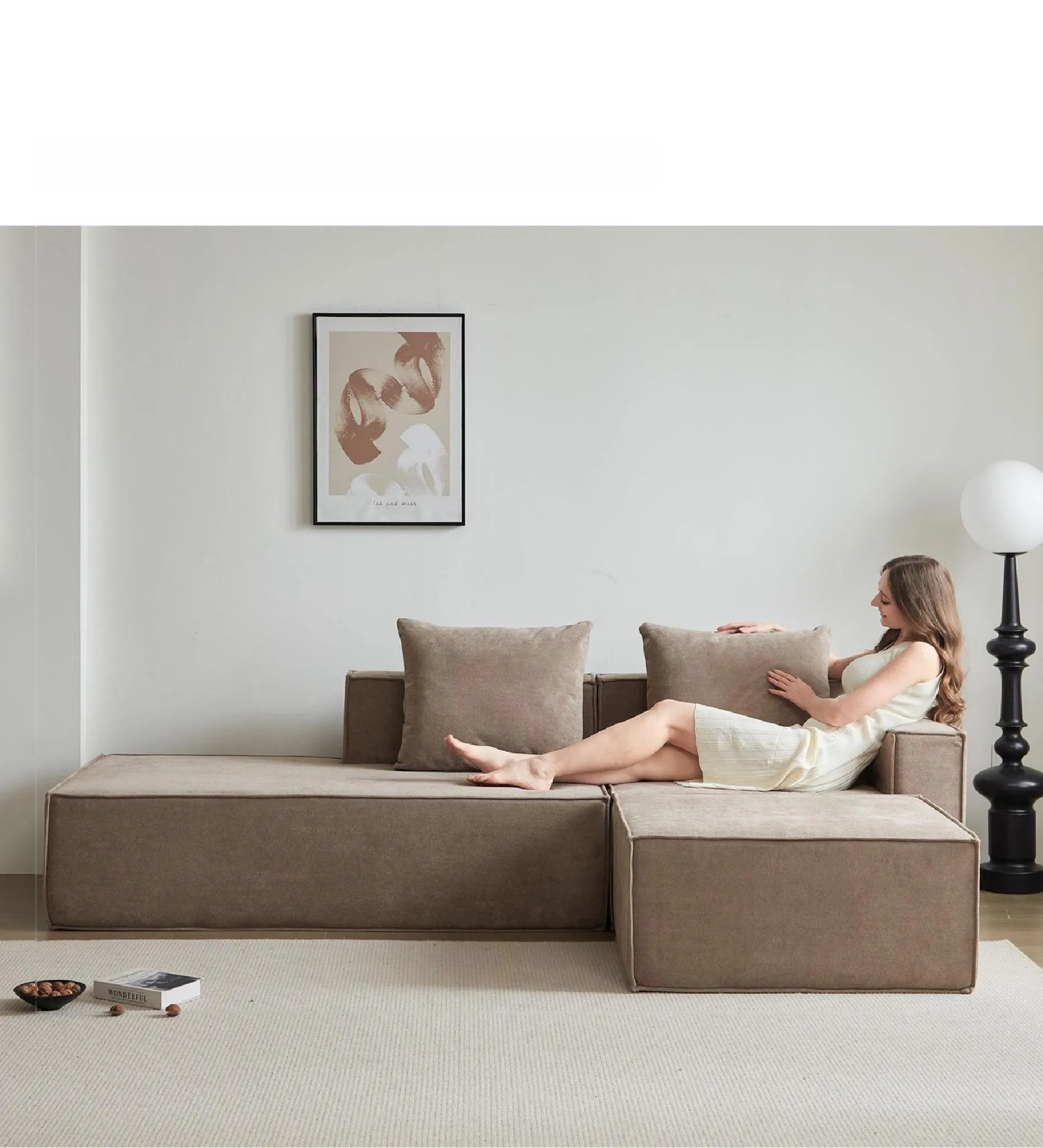
Need Custom Sofa Manufacturing or Wholesale Orders?
Whether you need OEM/ODM manufacturing, white-label packaging, or bulk wholesale from the standard catalog, F-concept Inc. is the source factory you can trust.
For the fastest quote, please provide:
- Target Market / Platform (e.g. Amazon, Wayfair)
- Estimated Quantity (standard bulk MOQ starts at 10 sets per model/color)
- Fabric & Material Requirements
- Target Price Point