Outdoor Furniture Market Insights: Global Size, Regional Segments, and Growth Trends
The outdoor furniture industry is no longer a seasonal category—it is now a global market with strong regional momentum. Growth is steady, but the drivers differ across markets. I see clear patterns shaping the industry’s future, from North America’s patio economy to Asia-Pacific’s rapid urbanization.

The global outdoor furniture market reached USD 52.1 billion in 2024. It is projected to grow at a compound annual growth rate (CAGR) of 3.6% between 2024 and 2029.
Global Market Size and Growth Trends
The global outdoor furniture market shows stable growth across regions, but the pace varies.
In 2024, the market was valued at USD 52.1 billion. By 2029, it is expected to expand further, supported by rising demand for residential renovations, hospitality recovery, and expanding middle-class consumption in emerging markets.

- North America: Holds 56% of the global market share in 2024. The strong “patio economy” in the United States, combined with ongoing residential renovations, is expected to push the market to USD 3.16 billion in 2025, with a CAGR of 5.8%.
- Europe: With tourism and hospitality rebounding, premium outdoor demand is growing in Germany, France, and Mediterranean countries. The European market share is expected to reach 31% in 2025.
- Asia-Pacific: The fastest-growing region, with a projected CAGR of 9.2%. By 2030, its share will exceed 30%. Middle-class expansion and urbanization in China, South Korea, Japan, and Southeast Asia are the main growth drivers.
| Region | 2024 Share | Growth Highlights | CAGR |
|---|---|---|---|
| North America | 56% | Patio economy, renovations | 5.8% |
| Europe | 31% (2025e) | Tourism recovery, design-driven demand | 4.5–5% |
| Asia-Pacific | 20%+ | Urbanization, rising middle class | 9.2% |
Consumer Market Analysis
Consumer demand varies significantly by region, shaped by lifestyle, policy, and supply chain conditions.
North America prefers modular, multifunctional designs. Europe values sustainability and design. Asia-Pacific leads with innovation and export-driven supply chains.

North America: Patio Economy and Policy Dividends
- Demand characteristics: Modular sofa beds dominate, accounting for 44% of regional sales, alongside rising demand for fire tables. E-commerce penetration is modest (1.5% in 2024) but projected to grow to 1.8% by 2029.
- Policy impact: The Inflation Reduction Act supports domestic production. US local production capacity rebounded from 24% in 2020 to 41% in 2024.
Europe: Environmental Regulations and Design Premiums
- Sustainability: The EU Green Home Initiative mandates recycled materials in public procurement projects, with requirements exceeding 27% by 2025. In Germany and France, eco-friendly furniture sales are rising by 19% annually.
- Design trends: Nordic minimalism and Mediterranean styles dominate. Modular awnings and smart seating with temperature control now exceed 30% penetration in high-end hotel projects.
Asia-Pacific: Emerging Markets and Supply Chain Innovation
- China: The market size reached RMB 21.7 billion in 2023, or 18% of global share. Smart outdoor furniture sales grew by 32.7% year-over-year, while exports totaled USD 5.3 billion (45% to North America, 30% to Europe).
- Southeast Asia: Vietnam and Malaysia leverage labor cost advantages to absorb capacity transfers. In 2024, exports of metal-frame and injection-molded furniture to the US increased by 24% year-over-year.
Industry Chain Analysis
The outdoor furniture supply chain is multi-layered, connecting materials, production, branding, and global sales.
China leads manufacturing, but Europe and the US dominate design, branding, and high-end value capture.

- Raw materials: Wood (teak, pine), metals (aluminum, steel), plastics (HDPE), and textiles (polyester, acrylic). Sustainability now drives demand for FSC-certified wood and recycled plastics.
- Manufacturing: China remains the world’s largest producer and exporter, with a full supply chain. Vietnam, Malaysia, and Indonesia are emerging secondary bases.
- Design and branding: Western markets lead in design-led innovation. European and US brands focus on aesthetics, ergonomics, smart features, and strong brand identity. These companies capture premium margins.
- Distribution: Sales channels now split between offline showrooms, cross-border e-commerce, and brand-owned websites. E-commerce penetration is rising as more outdoor furniture adapts to flat-pack or boxed delivery formats.
Future Development Trends
The industry’s future will be shaped by four main forces: emerging market demand, lifestyle-driven upgrades, digital sales growth, and sustainability.
Outdoor furniture is shifting from seasonal purchases to year-round lifestyle investments.

- Growing demand in emerging markets: Rising urbanization and income growth in Asia-Pacific, Latin America, and the Middle East will fuel new consumer bases.
- Consumption upgrades: Customers prioritize comfort, customization, and luxury finishes. High-end and bespoke outdoor sets gain traction in affluent segments.
- E-commerce and digitalization: Online sales expand, reducing costs and increasing direct-to-consumer reach. VR/AR tools for visualization and AI-driven marketing are entering the sales process.
- Sustainable and eco-friendly materials: FSC-certified timber, recycled plastics, and water-based finishes will dominate procurement. Brands using green innovation improve both competitiveness and reputation.
| Trend | Driver | Market Impact |
|---|---|---|
| Emerging markets | Urbanization, income growth | Expanding consumer base |
| Consumption upgrades | Lifestyle, customization | Boost for high-end brands |
| Digital sales | E-commerce, AR/VR | Direct consumer reach, lower costs |
| Sustainability | ESG policies, consumer demand | Green branding advantage |
Conclusion
The outdoor furniture market reached USD 52.1 billion in 2024 and will grow steadily through 2029. Regional differences are clear: North America benefits from patio culture and policy, Europe from design and sustainability, and Asia-Pacific from fast-growing middle-class demand and supply chain strength. To win, brands must balance comfort, eco-innovation, and digital channels.
Planning a Retail, Distribution, or OEM / ODM Sofa Program?
F-concept Inc. supports B2B sourcing for furniture retailers, distributors, importers, projects, and growing brands. Confirm the selected model, carton plan, sample scope, and order requirements before production.
Related B2B Guides
Related OEM / ODM Products
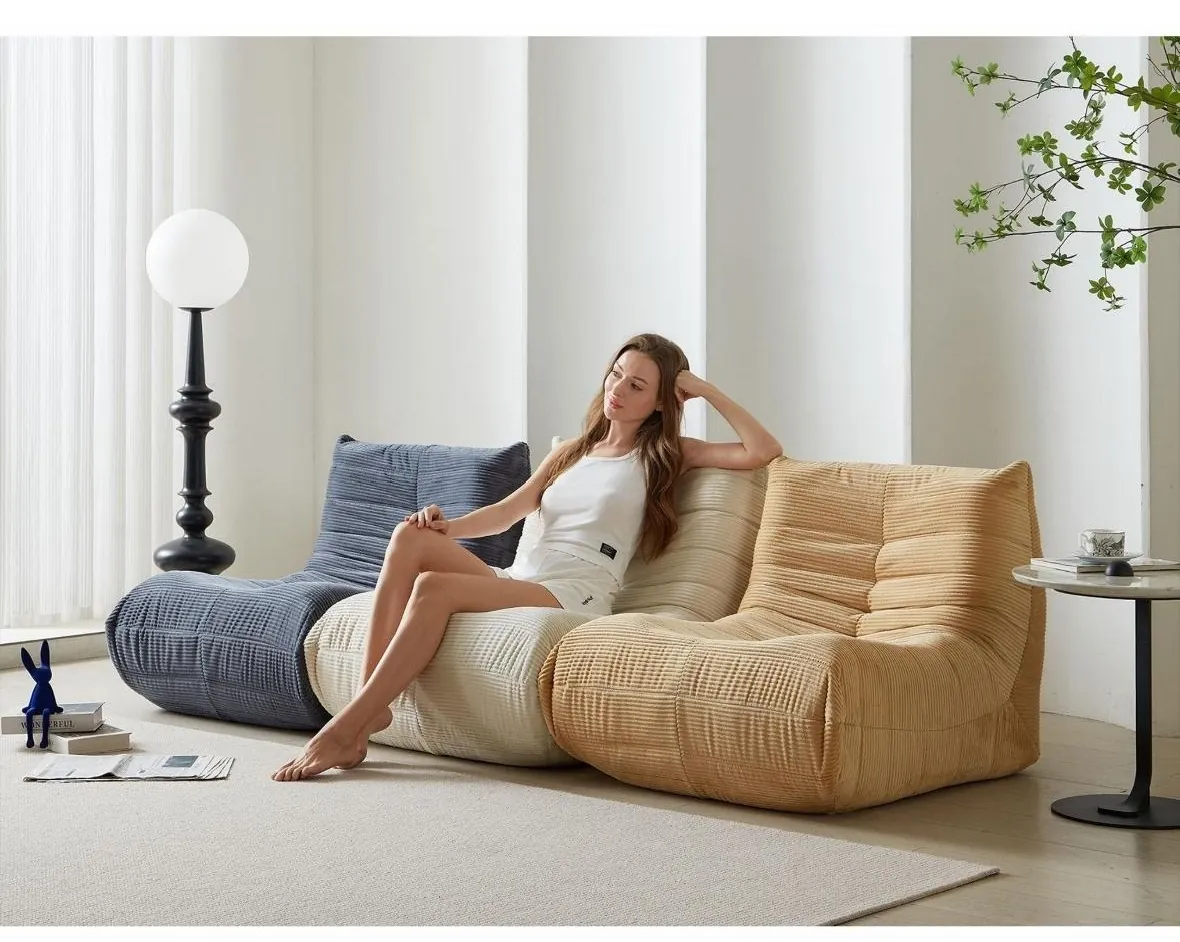
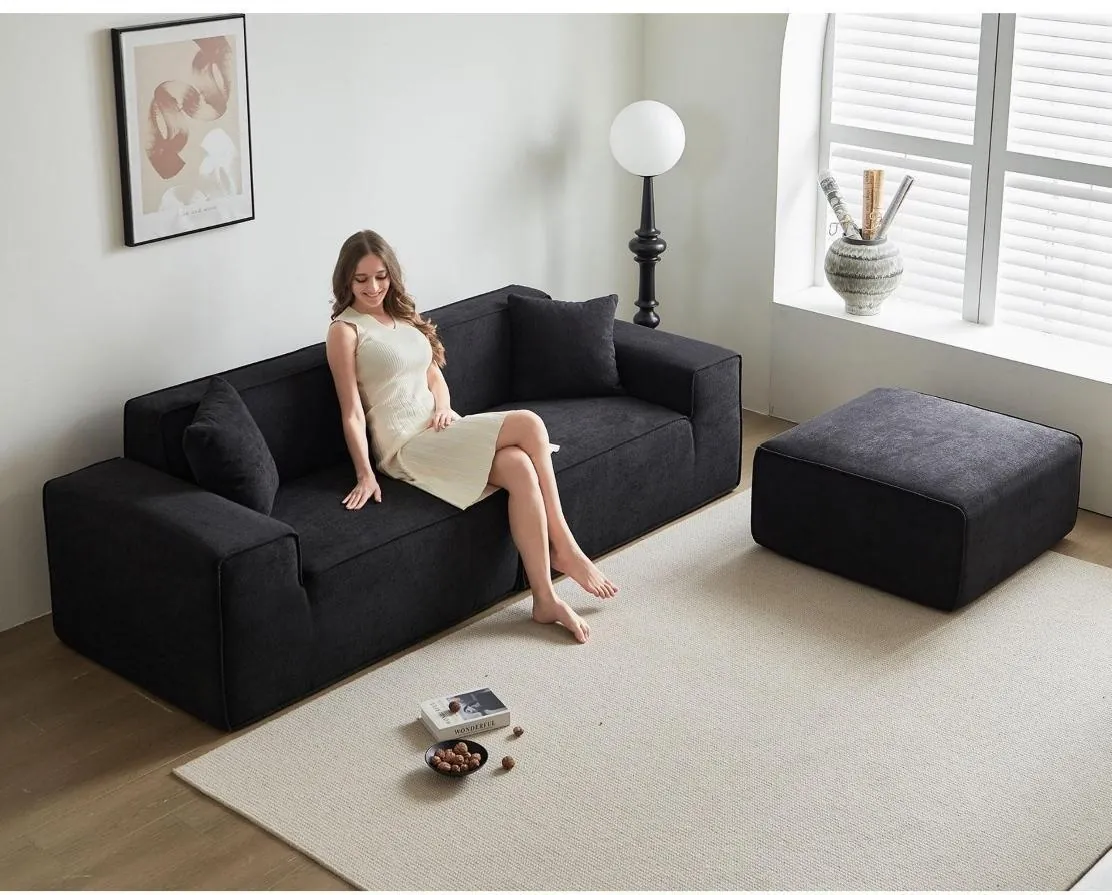
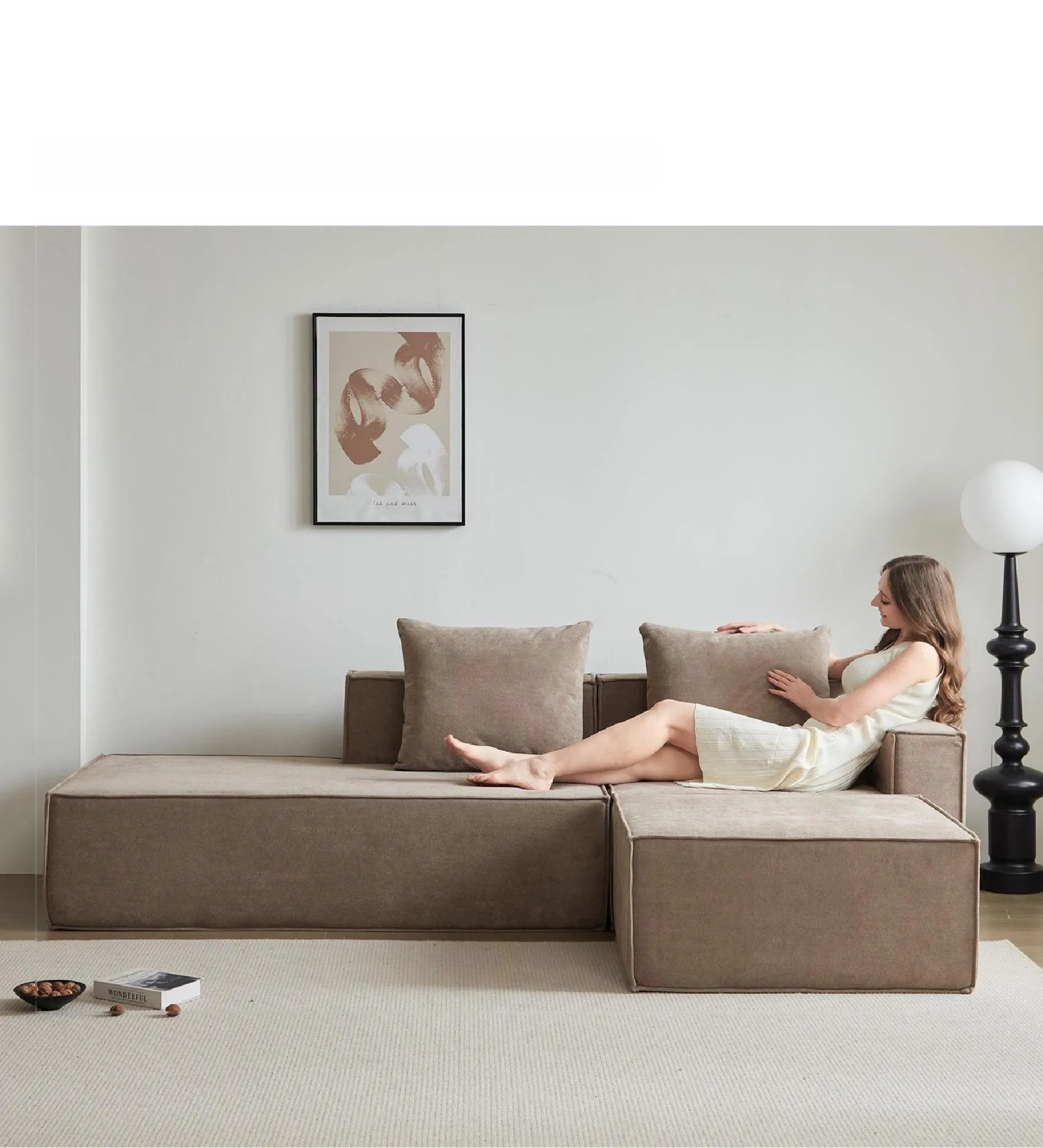
Need Custom Sofa Manufacturing or Wholesale Orders?
Whether you need OEM/ODM manufacturing, white-label packaging, or bulk wholesale from the standard catalog, F-concept Inc. is the source factory you can trust.
For the fastest quote, please provide:
- Target Market / Platform (e.g. Amazon, Wayfair)
- Estimated Quantity (standard bulk MOQ starts at 10 sets per model/color)
- Fabric & Material Requirements
- Target Price Point