Prototyping comes next. Technicians build a sample based on the design to verify structure, comfort, and appearance. This trial model may go through several revisions. Armrest height, seat depth, or foam density can all be adjusted before moving to mass production.
Design and prototyping ensure the sofa is not only visually appealing but also structurally sound and market-ready.
Material Preparation
Before production begins, raw materials must be selected, cut, and processed based on the confirmed design.
Material preparation involves handling wood, metals, foams, fabrics, and springs—each with different technical requirements.

Frame Materials:
- Wood: Used in traditional and modern sofas, solid wood must be dried (to prevent warping), then cut, shaped, and drilled for assembly.
- Metal or Alloys: Common in minimalist or structural components; these require welding, painting, or electroplating.
- Boards: Plywood or MDF are used for non-load-bearing areas and are machine-cut for precision.
Filling Materials:
- Sponge: High-resilience sponge is cut to fit seat cushions, backrests, or armrests, with varying hardness to control support and softness.
- Down or Fiber: These add fluffiness and comfort, often mixed to meet softness standards.
- Springs: Includes serpentine springs or sponge spring packs, mainly installed in seat bases for elasticity and support.
Fabric and Leather:
Textiles are pre-inspected and cut according to design specs, with allowances for stitching. Some fabrics need pre-treatment like pre-shrinking or embroidery. Options range from cotton, linen, and flannel to genuine leather and PU leather.
This step ensures every material meets technical and aesthetic standards before moving to the next phase.
Parts Production
The sofa’s structure and surface components are manufactured in parallel for speed and accuracy.
Parts production includes frame assembly, spring installation, foam layering, and fabric processing.

Frame Assembly:
Wood or metal components are joined using screws, mortise and tenon joints, glue, or welds. The frame may then be sanded, painted, or veneered for protection and appearance.
Spring and Filling Installation:
Elastic components—like serpentine springs or webbing—are fixed to the seat base to create an elastic support system. Sponge and other filling materials are layered on top. Sofas often use a combination of materials (e.g., hard sponge below, soft sponge above) to balance durability and comfort.
Fabric Processing:
Pre-cut fabric or leather pieces are sewn into covers for cushions, seats, or the entire sofa. For leather, stitching is often reinforced and pressed to enhance strength and three-dimensional form. Some covers are designed to be removable and washable.
By the end of this phase, all major parts are ready for final assembly.
Assembly and Packaging
The final stage brings all components together into a finished, market-ready product.
Assembly and packaging include fabric covering, accessory installation, quality control, and protective packaging.

Fabric Covering (Upholstery):
The sewn fabric or leather is stretched over the frame and fixed using nail guns, glue, or Velcro. Care is taken to smooth surfaces and align seams. Corners and curves are detailed to ensure clean, professional lines.
Hardware and Accessories Installation:
Sofa feet (metal, wood, or plastic), zippers, velcro, decorative studs, and modular connectors are attached. For multifunctional sofas, parts like reclining mechanisms or hidden storage compartments are added at this stage.
Quality Inspection:
Each unit undergoes structural checks, comfort tests, and appearance inspections. This includes testing frame stability, checking the evenness of filling, verifying stitching, and ensuring color consistency. Sit tests and load-bearing checks confirm comfort and strength.
Cleaning and Packaging:
Dust is removed from the surface. Leather sofas are treated with conditioners, while fabric sofas may receive anti-dust covers. The entire sofa is then protected with bubble wrap, foam, or pearl cotton. Removable legs and accessories are secured inside. For compressed sofas, vacuum packaging reduces volume significantly—ideal for easy shipping and e-commerce fulfillment.
Conclusion
The sofa manufacturing process combines design innovation, skilled craftsmanship, and precision machinery. From the initial sketch to the final box, each step plays a critical role in creating a product that’s comfortable, durable, and fit for modern lifestyles.
Planning a Retail, Distribution, or OEM / ODM Sofa Program?
F-concept Inc. supports B2B sourcing for furniture retailers, distributors, importers, projects, and growing brands. Confirm the selected model, carton plan, sample scope, and order requirements before production.
Related B2B Guides
Related OEM / ODM Products
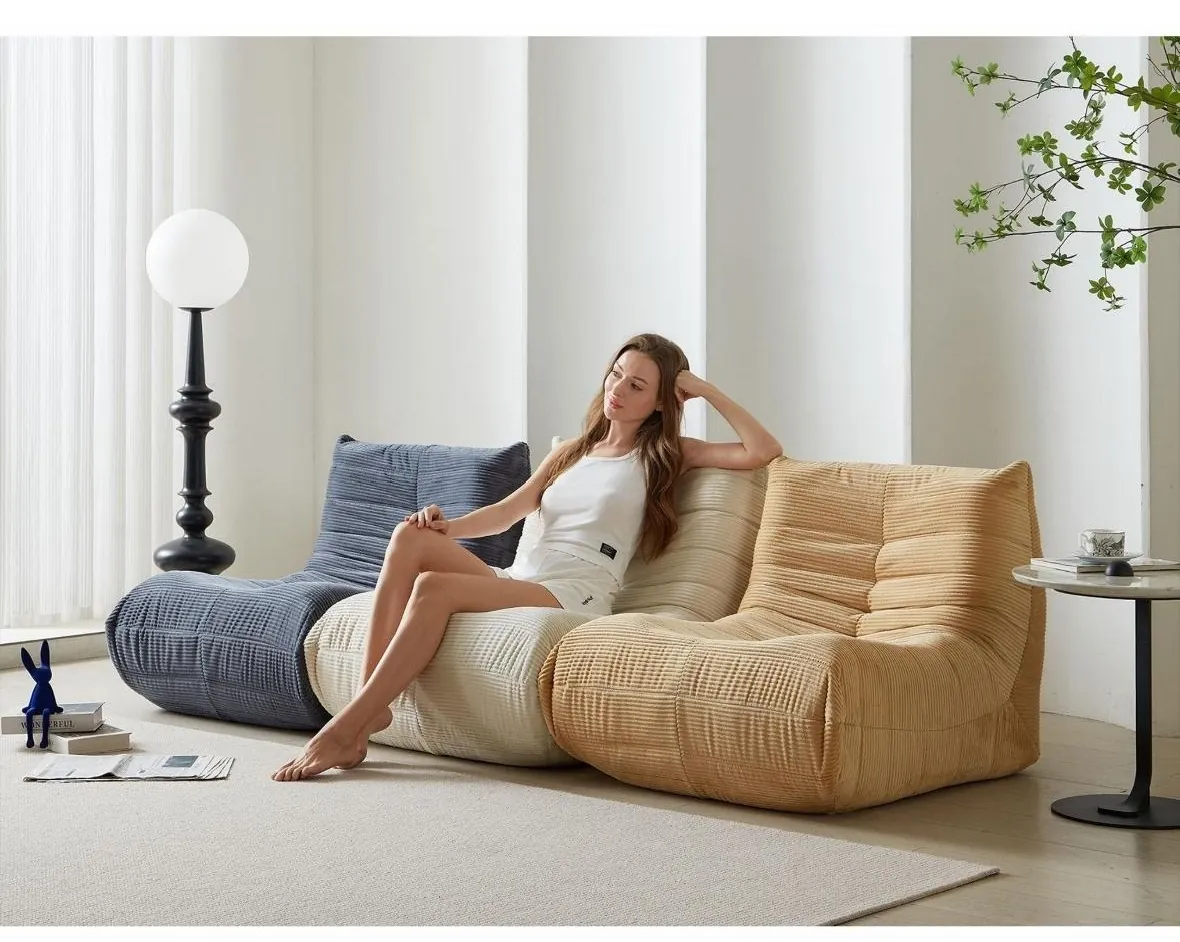
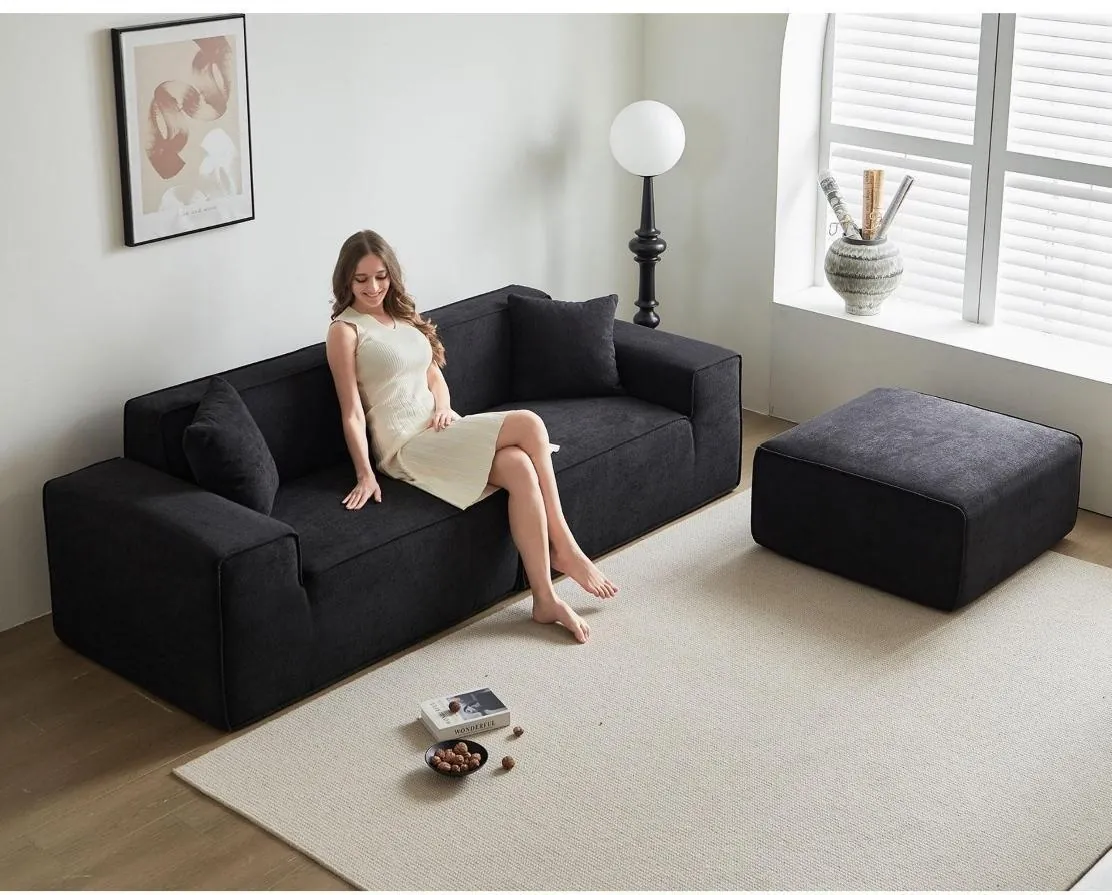
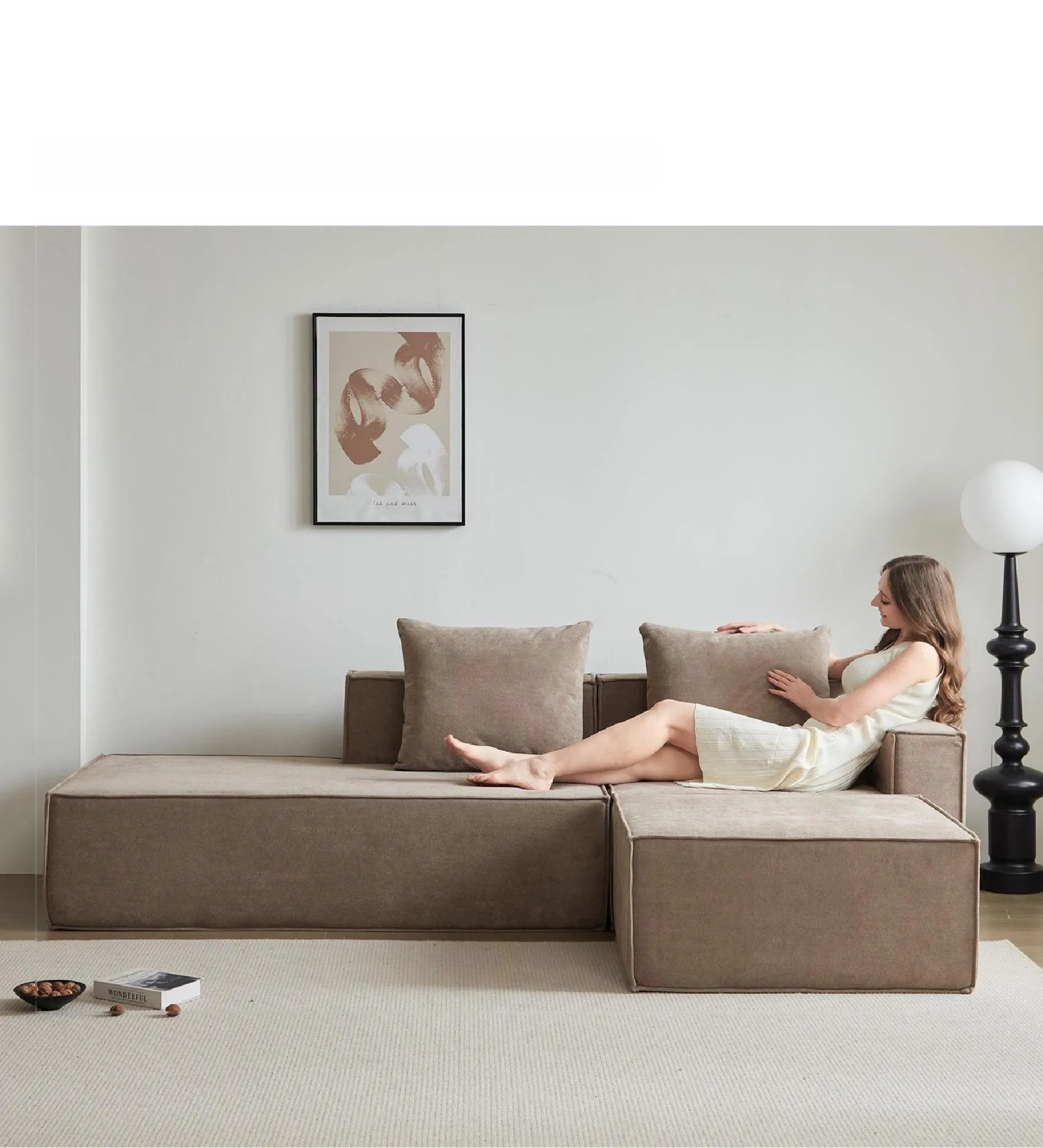
Need Custom Sofa Manufacturing or Wholesale Orders?
Whether you need OEM/ODM manufacturing, white-label packaging, or bulk wholesale from the standard catalog, F-concept Inc. is the source factory you can trust.
For the fastest quote, please provide:
- Target Market / Platform (e.g. Amazon, Wayfair)
- Estimated Quantity (standard bulk MOQ starts at 10 sets per model/color)
- Fabric & Material Requirements
- Target Price Point