Furniture Industry Innovation: The Rise of Compression Technology in Furniture
As space constraints, logistics costs, and consumer demands evolve, the furniture industry is undergoing a structural transformation. At the center of this change is furniture compression technology—a system that redefines how furniture is manufactured, stored, transported, and used.
By minimizing volume while maximizing functionality, compression technology reduces costs, improves efficiency, and opens new possibilities for both manufacturers and consumers.

What is furniture compression technology?
Furniture compression technology refers to a set of systematic engineering solutions that drastically reduce the volume and packaging space of furniture products or components—without compromising usability or structural integrity.

Its essence lies in balancing “minimum volume” with “maximum function” by integrating three key technical dimensions:
1. Material Compression
- High-density processing of sponges, fibers, and boards.
- Technologies such as vacuum sealing and high-pressure molding reduce porosity and shrink physical volume.
2. Structural Compression
- Modular splitting and foldable/retractable designs.
- Converts products into flat-packed parts, optimizing logistics and home delivery.
3. Process Compression
- Application of automated bundling, standardized packaging, and space-optimized stacking in production, shipping, and warehousing.
- Enhances storage density and reduces idle inventory costs.
Application scenarios of furniture compression technology
Compression technology is being widely applied across different furniture categories and operational links—improving flexibility, reducing transport strain, and responding to modern lifestyle demands.
From soft furnishings to warehousing systems, compression brings measurable efficiency across the board.

1. Soft Furniture (Core Use Case)
- Mattress/Sofa Compression:
- Foam mattresses are compressed to 1/5 of their original volume using vacuum wrapping (e.g., a full-size mattress packed into a 0.8m³ box).
- Compressed sofas see volume reduction of up to 70%, facilitating easier handling and stacking during transportation.
- Functional Integrated Design:
- Modular compressed sofas support multifunctional transformations—e.g., a 3-seater can become a single bed.
- A single module’s volume can shrink to 1/4 of a conventional sofa, ideal for compact living environments.
2. Panel and Solid Wood Furniture
- Panel Compression Molding:
- High-pressure techniques convert wood fibers into 30% denser particleboards, or laminated into ultra-thin reinforced panels with up to 40% thickness reduction—used for desks, cabinets, etc.
- Disassembly-Friendly Design:
- Three-in-one connectors, buckles, and fast-assembly hardware enable furniture to be flat-packed.
- Volume reductions of up to 70% versus pre-assembled products (e.g., wardrobes, cabinets).
3. Production and Supply Chain Optimization
- Automated Compression Packaging:
- Robotic systems handle mattress folding, sponge bundling, and board wrapping—improving packaging efficiency by 5x and cutting labor costs by 60%.
- Storage Space Efficiency:
- Stacking height increases from 2m to 5m, raising warehouse utilization by 150%.
- Storage costs drop by 40%, especially for slower-moving inventory.
How compression technology changes the furniture industry
Beyond operational efficiency, compression technology introduces disruptive advantages in the furniture industry’s cost structure, logistics, and retail models.
From supply chain transformation to e-commerce innovation, compression redefines how furniture is produced, sold, and consumed.

1. Supply Chain: Significant Reduction in Logistics Costs
- Transportation Efficiency Revolution:
- A single container can hold 200 compressed sofas, compared to 80 traditional models.
- Cross-border shipping costs decrease by up to 60%.
- Trunk logistics cost ratio drops from 18% to 6% due to improved load density.
- Inventory Management Innovation:
- Compressed furniture supports dense warehousing and agile production.
- Unsold stock volume shrinks by 70%, allowing for “sell-first, produce-later” models.
- Inventory turnover increases by 40%.
2. Consumer Experience: Adaptation to New Living Scenarios
- Solutions for Small-Space Living:
- Compressed sofas are popular among young, urban consumers.
- Social media platforms like TikTok and Instagram have made “compression sofa unboxing” a trending topic.
- Support for E-Commerce & New Retail:
- Compact packaging allows express delivery and parcel shipping.
- Listings such as “sofa in a box” thrive on Amazon, Wayfair, and other platforms—driving explosive growth in online sofa sales.
Future trends and challenges of furniture compression technology
While compression technology offers numerous benefits, it also presents technical and strategic challenges that the industry must overcome to reach maturity.
Balancing compression performance, customization, and standardization will define the next generation of innovation.

Key Challenges
- Material Performance vs Compression:
- Over-compression may reduce rebound rate in soft furniture.
- The industry goal is to improve rebound rates from 95% to 99%+, requiring advanced polymer molecular structure modifications.
- Standardization vs Customization:
- Compression benefits from standardized dimensions and connectors.
- Rising consumer demand for customization calls for modular + parametric design systems—such as swappable covers and scalable modules.
Business Model Reconstruction
- Rise of the Rental Economy:
- Easy disassembly and return lower platform recycling costs by 40%.
- Fuels 30% annual growth in long-term apartment and office furniture rental markets.
- Cross-Border E-Commerce Breakthroughs:
- Compression eliminates bulk shipping barriers.
- Opens up new opportunities in global markets where freight efficiency and last-mile delivery are key cost factors.
Conclusion
Compression technology is reshaping the furniture industry by delivering logistical efficiency, modular adaptability, and consumer flexibility. Whether for manufacturers optimizing supply chains or consumers living in compact spaces, compressed furniture offers scalable, sustainable solutions. As technical challenges are resolved and global demand continues to rise, this innovation will likely become the new standard in modern furniture production and distribution.
Planning a Retail, Distribution, or OEM / ODM Sofa Program?
F-concept Inc. supports B2B sourcing for furniture retailers, distributors, importers, projects, and growing brands. Confirm the selected model, carton plan, sample scope, and order requirements before production.
Related B2B Guides
Related OEM / ODM Products
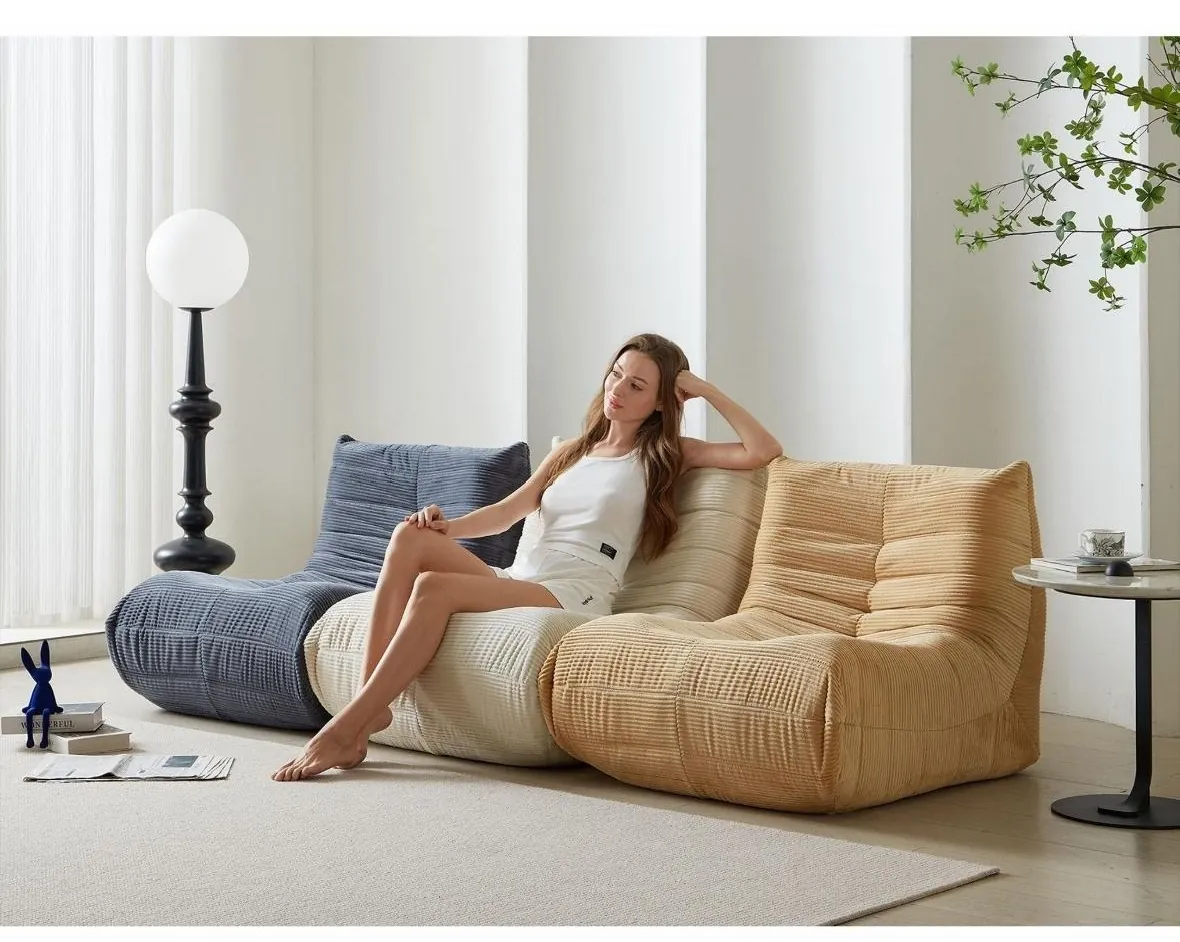
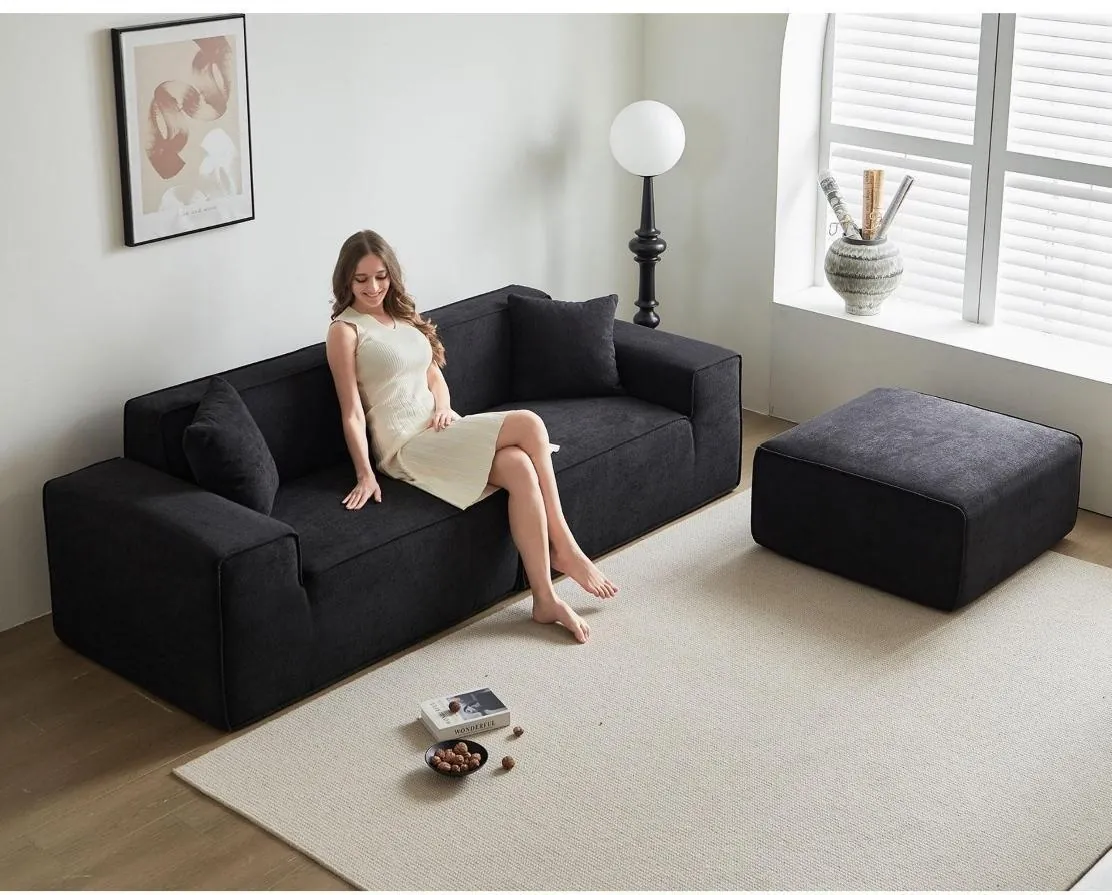
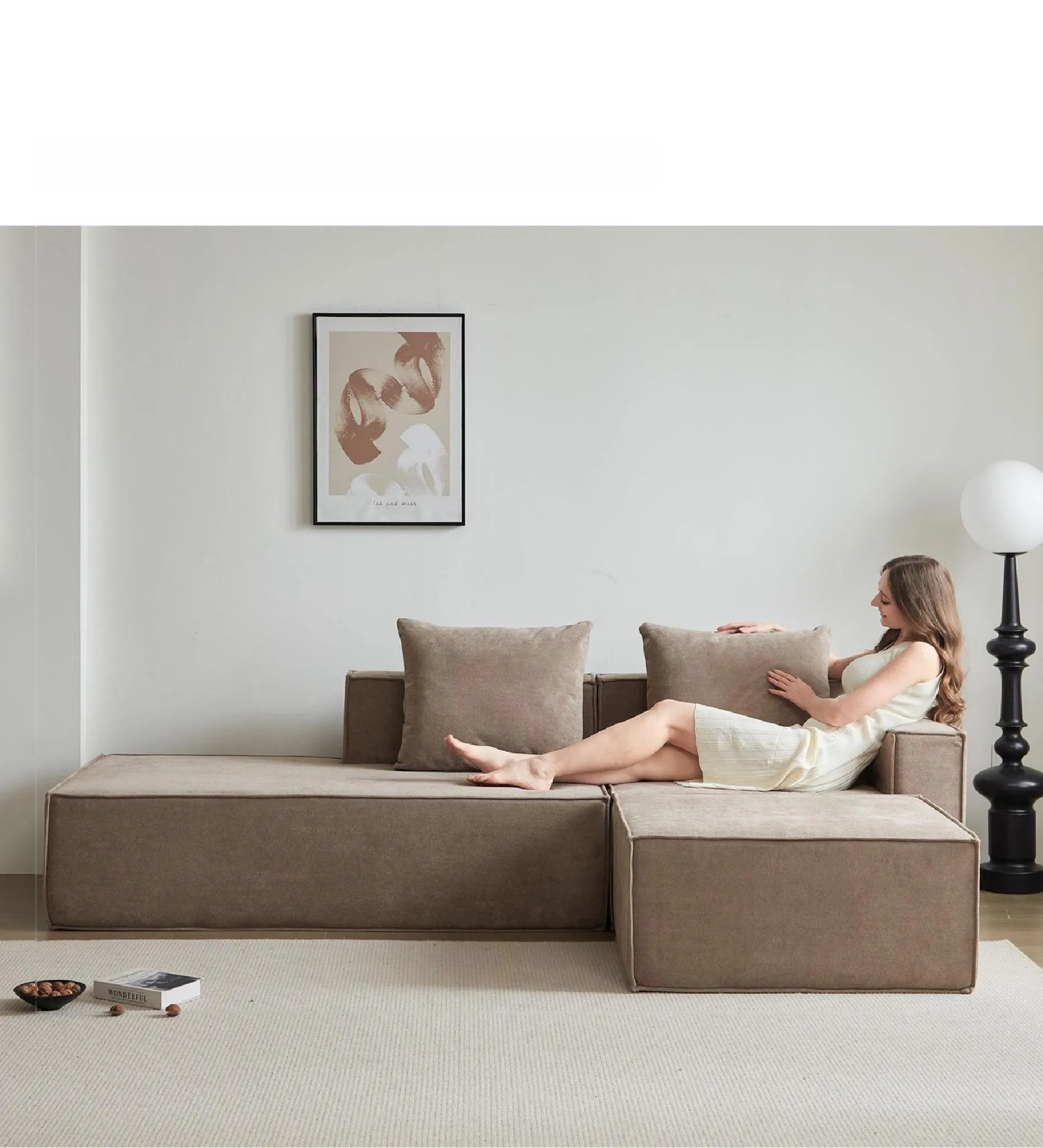
Need Custom Sofa Manufacturing or Wholesale Orders?
Whether you need OEM/ODM manufacturing, white-label packaging, or bulk wholesale from the standard catalog, F-concept Inc. is the source factory you can trust.
For the fastest quote, please provide:
- Target Market / Platform (e.g. Amazon, Wayfair)
- Estimated Quantity (standard bulk MOQ starts at 10 sets per model/color)
- Fabric & Material Requirements
- Target Price Point