Furniture Industry Chain: Structure and Supply Analysis
The furniture industry chain spans from upstream raw material supply to midstream manufacturing and downstream distribution. Each stage has unique characteristics, shaped by geography, technology, and consumer demand. Understanding this structure is essential for businesses aiming to optimize supply chains, control costs, and capture emerging opportunities.

The chain can be divided into three segments: upstream raw materials, midstream manufacturing, and downstream distribution and consumption. Each stage relies on global and regional specialization.
Upstream: Raw Material Supply
The upstream stage provides the foundation for furniture production. Its diversity reflects regional resource advantages and industrial clusters.
Key categories include natural materials, man-made and synthetic materials, metals, hardware, and chemical auxiliaries.

| Category | Main Sources | Characteristics | Notes |
|---|---|---|---|
| Wood | North America (oak, walnut), Europe (beech), Southeast Asia (rubberwood, teak), South America (pine) | Uneven global distribution | Affected by forestry policies and freight costs |
| Other natural materials | Rattan, bamboo (Southeast Asia, China), marble (Italy), granite (China), leather (Europe, South America) | Regional specialities | Used in niche or high-end markets |
| Man-made boards | China, Germany, Brazil | Particleboard, fiberboard, plywood | Depend on residues + chemicals; mainstream global use |
| Soft materials | Polyurethane foam (China, US), fabrics (linen in Europe, cotton in India, synthetics in China), PU/PVC leather (Asia) | Comfort and style | Foam density and fabric durability critical |
| Metals & hardware | Steel, aluminum; hinges and slides (Germany, China) | Growing demand for lightweight aluminum | High-end hardware often German |
| Chemicals | Adhesives, coatings | Demand rising for water-based, low-VOC products | Europe leads in strict standards |
Midstream: Manufacturing
This stage transforms raw materials into finished products, marked by specialized division of labor and regional clustering.
It covers design, parts production, and final assembly, with clear global specialization.

Design and R&D
- Global influences: Nordic minimalism, Italian luxury, Japanese Zen.
- Technology use: 3D modeling, parametric design, and smart furniture integration.
- Sustainability: FSC certification, eco-materials, and recyclable structures now prioritized.
Parts Production
- Division of labor: Sofa frames often made in Southeast Asia, mattress springs by US-based Leggett & Platt, and hardware by Germany’s Hettich.
- Global chain: Specialized suppliers form an integrated backbone for the industry.
Finished Product Manufacturing
- Regional clusters:
- China: World’s largest producer, full supply chain.
- Vietnam, Mexico: Benefit from low costs and tariff advantages.
- Europe: High-end customization, e.g., German cabinetry.
- Craftsmanship:
- Solid wood furniture emphasizes handcraftsmanship (Italy).
- Panel furniture relies on automation (China, Eastern Europe).
- Upholstered furniture focuses on fabric fit and foam density.
| Manufacturing Segment | Strengths | Examples |
|---|---|---|
| Solid wood | Craftsmanship, luxury | Italy, Denmark |
| Panel furniture | Automation, scale | China, Poland |
| Upholstered | Comfort, customization | US, Vietnam |
Downstream: Distribution and Consumption
The downstream segment connects production with consumers, shaped by channel mix, consumer habits, and sustainability trends.
It includes traditional retail, e-commerce, brand building, and recycling systems.

Distribution Channels
- Traditional: IKEA, Ashley, regional dealer networks, trade shows (Milan, High Point).
- E-commerce: Platforms such as Wayfair, Amazon, Tmall, JD.com, supported by global warehousing and overseas inventory.
Consumer Demand
- Europe & US: Emphasis on sustainability, durability, and eco-certifications.
- Emerging markets: Southeast Asia and Africa focus on cost-effectiveness.
- Commercial demand: Hotels, offices, and co-working spaces drive mass-customization projects.
Brand Recognition
- Global leaders: IKEA, Herman Miller, Poltrona Frau.
- Regional brands: Southeast Asia’s rattan producers, India’s solid wood clusters.
- Pricing power: Design, functionality, and brand image influence margins.
Recycling and Sustainability
- Legislation: Europe (e.g., Germany) mandates recycling and reuse.
- Technologies: Wood, metal, and fabric recycling are advancing, enabling a closed-loop supply chain.
- Consumer pull: Eco-friendly and circular economy practices strengthen brand competitiveness.
| Channel | Examples | Consumer Priority |
|---|---|---|
| Offline retail | IKEA, Ashley, fairs | Experience, brand trust |
| E-commerce | Wayfair, Tmall, Amazon | Convenience, price transparency |
| Commercial | Hotels, offices | Mass customization |
| Recycling | EU markets | Eco-compliance, closed-loop |
Conclusion
The furniture industry chain runs from upstream natural and synthetic raw materials, through midstream manufacturing clusters, to downstream global distribution. Upstream availability drives cost, midstream efficiency shapes competitiveness, and downstream demand and sustainability set the pace of innovation. Companies that integrate across the chain—balancing cost, quality, and eco-innovation—secure the strongest position in this evolving market.
Planning a Retail, Distribution, or OEM / ODM Sofa Program?
F-concept Inc. supports B2B sourcing for furniture retailers, distributors, importers, projects, and growing brands. Confirm the selected model, carton plan, sample scope, and order requirements before production.
Related B2B Guides
Related OEM / ODM Products
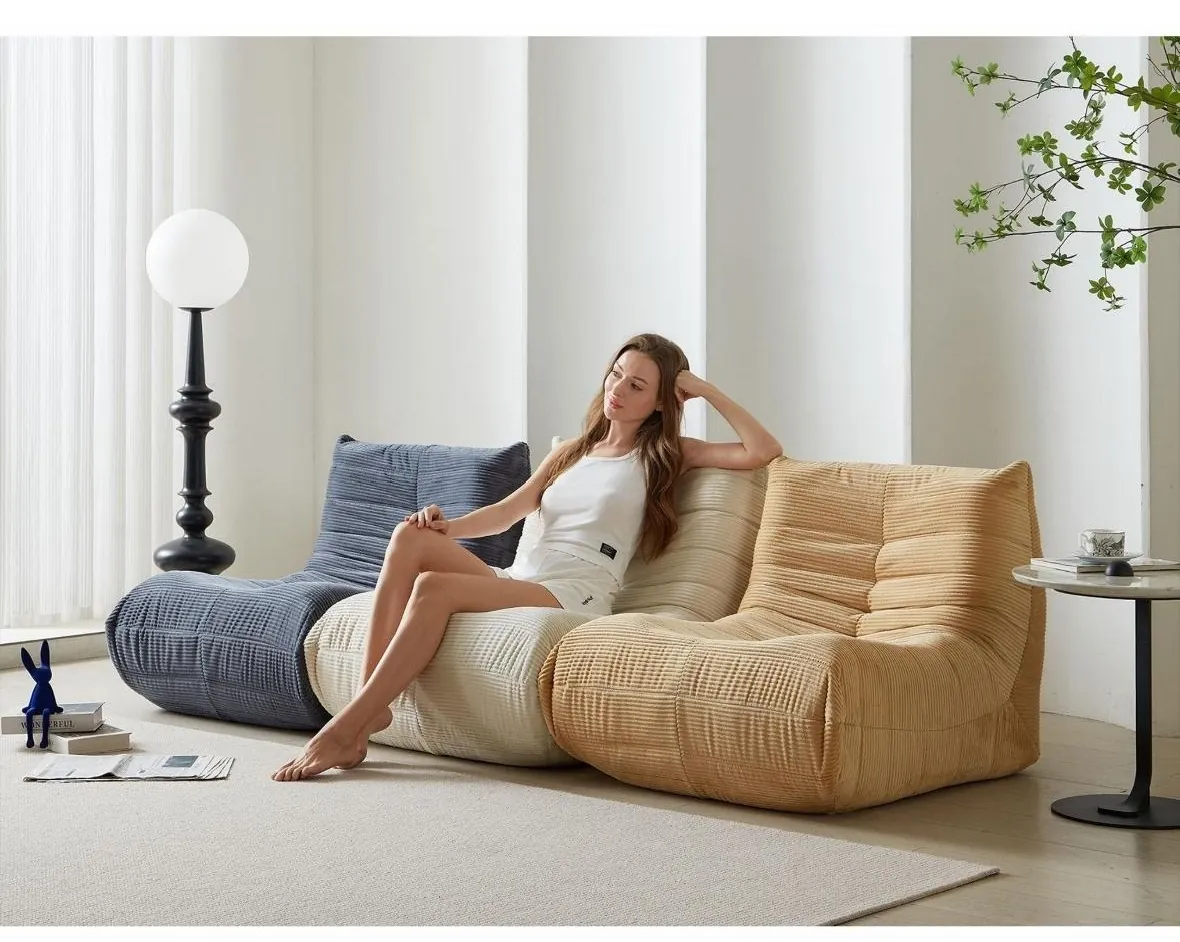
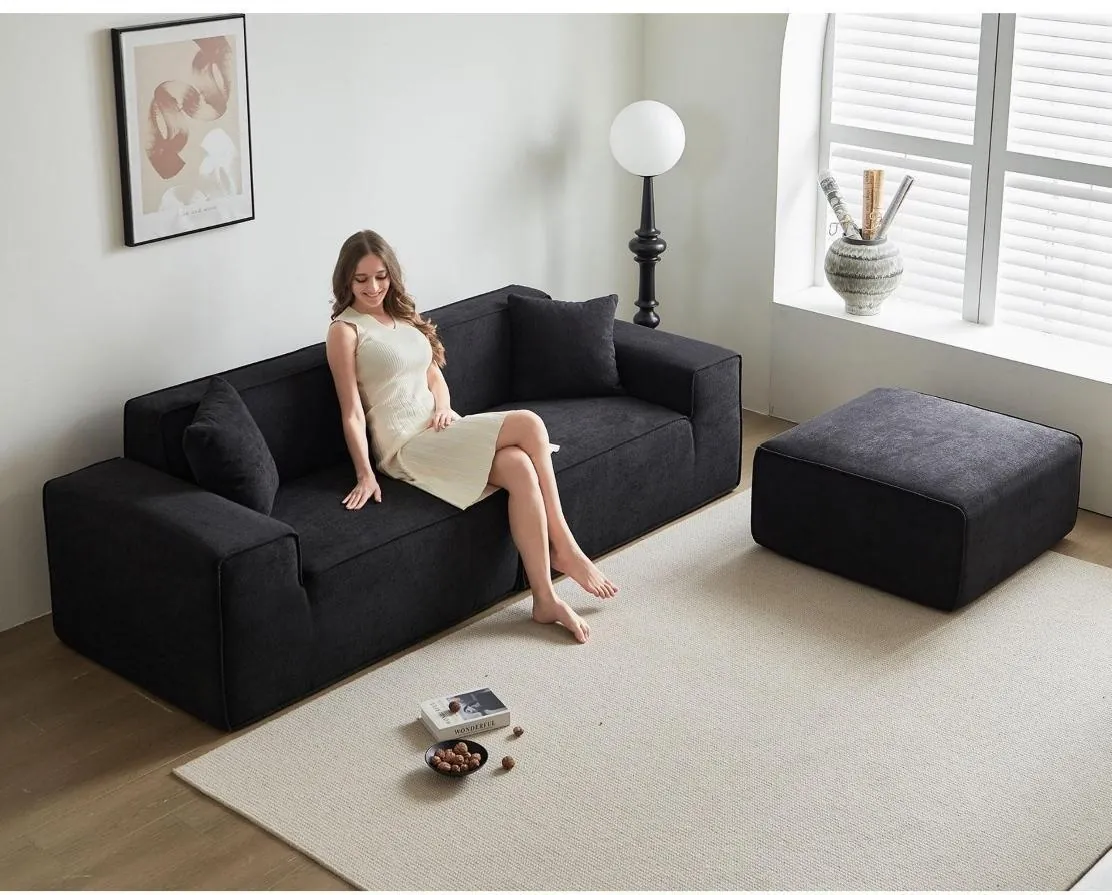
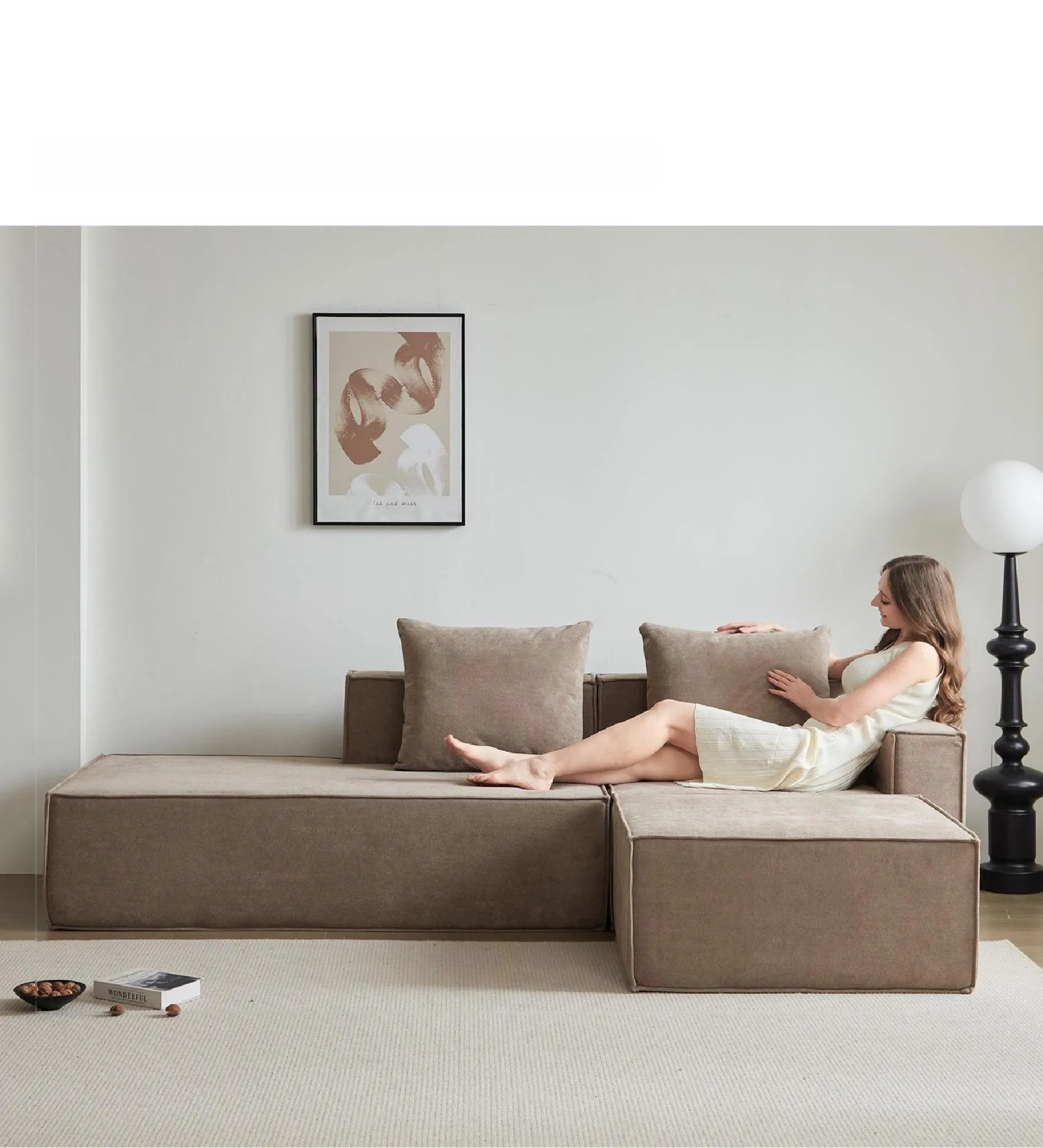
Need Custom Sofa Manufacturing or Wholesale Orders?
Whether you need OEM/ODM manufacturing, white-label packaging, or bulk wholesale from the standard catalog, F-concept Inc. is the source factory you can trust.
For the fastest quote, please provide:
- Target Market / Platform (e.g. Amazon, Wayfair)
- Estimated Quantity (standard bulk MOQ starts at 10 sets per model/color)
- Fabric & Material Requirements
- Target Price Point