Corduroy Sofa vs Chenille Sofa: Which Fabric Sells Better?
Many buyers struggle to choose between corduroy sofas and chenille sofas. They worry about durability, pricing, and market demand, yet lack clear technical understanding of both fabrics.
Corduroy and chenille sofas both sell well, but their performance depends on fabric structure, target market, and pricing strategy. Corduroy offers cost efficiency and retro appeal, while chenille delivers premium comfort and higher-end positioning.

This article breaks down both fabrics from composition, performance, and market perspective, helping buyers make decisions based on real product logic rather than trends.
Corduroy Fabric: Why Is It Trending So Fast?
Many buyers see corduroy gaining popularity but feel uncertain about its real advantages and risks. They often focus on appearance while ignoring structural limitations.
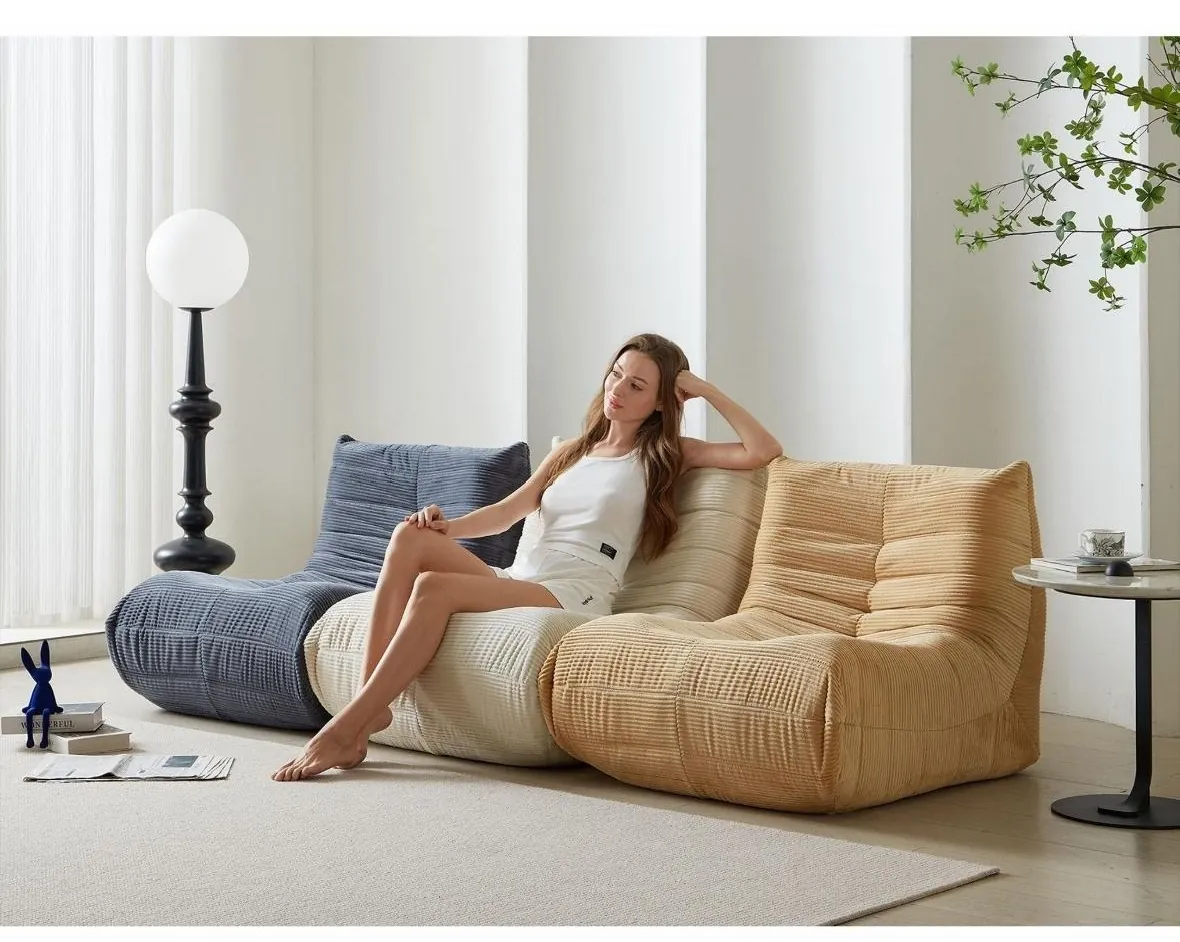
Corduroy is a cut-weft pile fabric, mainly made of cotton, often blended with polyester, acrylic, or spandex. Its ribbed structure creates a strong visual texture and retro style, making it highly attractive in mass-market and online sales.

What defines corduroy fabric?
Corduroy stands out due to its unique physical structure and visual identity.
| Feature | Impact on Sales |
|---|---|
| Longitudinal ribs (pile grooves) | Strong visual recognition, easy differentiation |
| Thick texture | Enhances warmth perception |
| Cotton-based composition | Comfortable and breathable |
| Blended fibers (polyester/spandex) | Improved durability and elasticity |
Performance and structural characteristics
Corduroy offers a balance between comfort and cost, but it also presents clear technical trade-offs.
Corduroy retains heat effectively due to its ribbed structure that traps air. This makes it suitable for colder environments or seasonal products. The surface feels soft and elastic, with a slightly structured touch that appeals to tactile-focused consumers.
However, its main weakness lies in tear strength. The pile direction reduces resistance to tearing, especially along seams. This requires reinforced stitching in sofa production. In addition, areas with frequent friction, such as armrests, are prone to pile flattening or shedding over time.
Dust accumulation is another issue. The grooves easily trap dust and require regular maintenance. Improper cleaning, such as strong rubbing or ironing, can damage the pile surface.
Advantages and disadvantages
Corduroy offers clear benefits in cost and style, but also comes with limitations.
Advantages:
- Retro style that fits vintage and American country interiors
- Warm and skin-friendly texture suitable for autumn and winter
- High cost-effectiveness for large-scale distribution
Disadvantages:
- Low tear strength, requiring reinforced structure
- Prone to dust accumulation and pile shedding
- Higher maintenance requirements during cleaning
Suitable market positioning
Corduroy sofas are best suited for the mass market. They appeal to customers who prioritize affordability, practicality, and visual uniqueness.
Typical buyers include young families, renters, and consumers interested in retro or casual home styles. Corduroy performs especially well in e-commerce channels due to its strong visual texture.
Chenille Fabric: Why Is It Still So Stable?
Some buyers underestimate chenille because it appears common. However, they often overlook its structural flexibility and premium positioning.
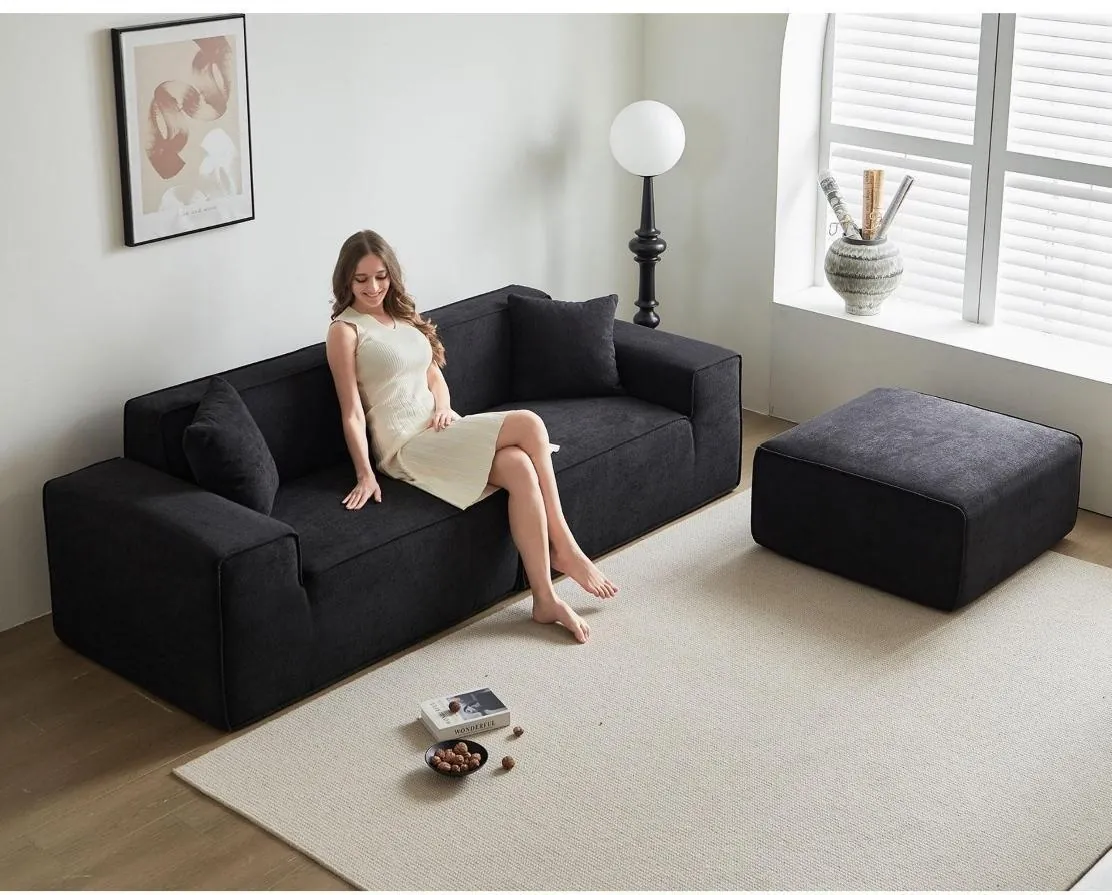
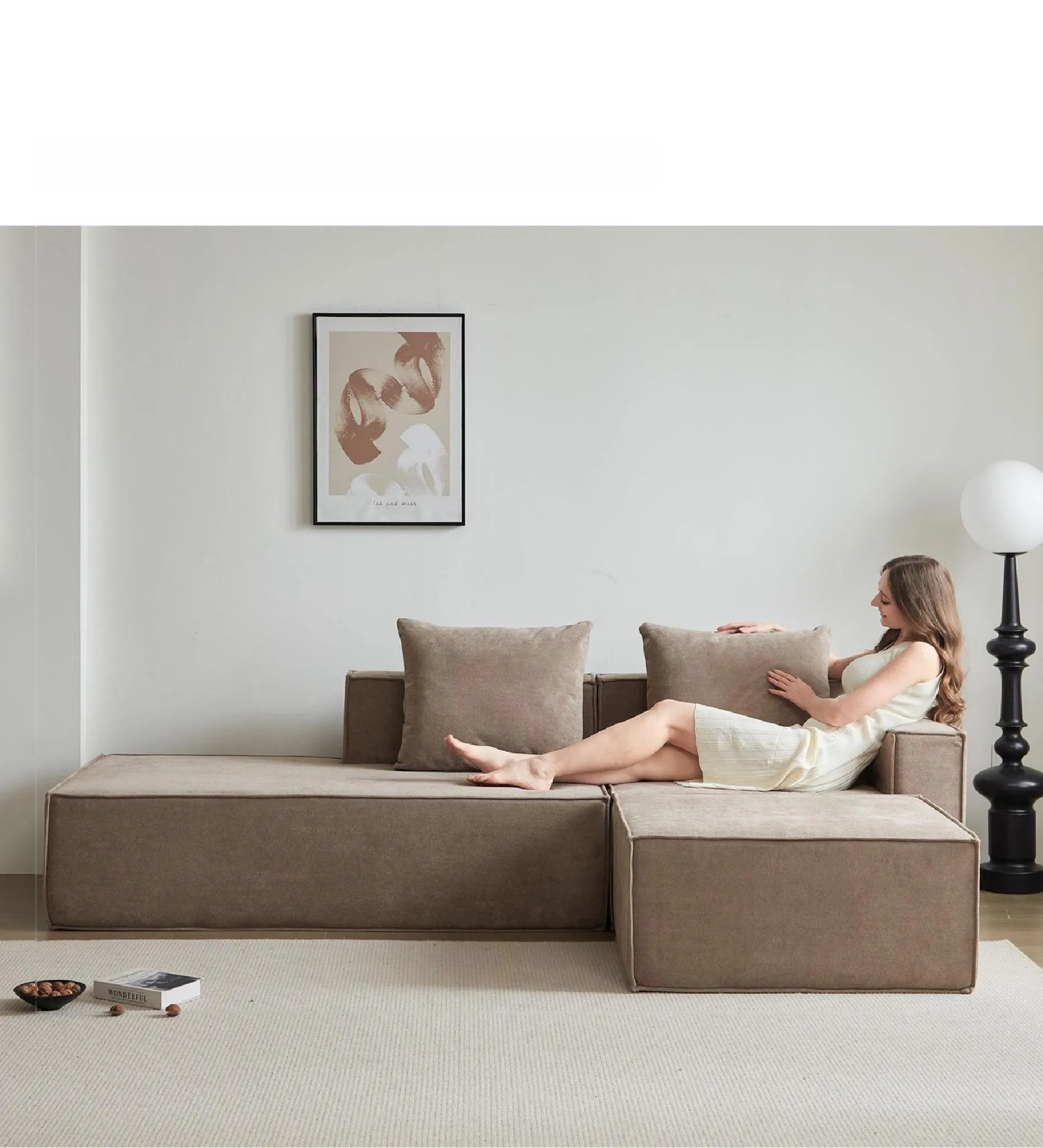
Chenille is a yarn-based fabric made by twisting short fibers between core yarns. It can include cotton, polyester, viscose, or wool, resulting in different performance levels and market segments.

What defines chenille fabric?
Chenille is not a single material but a category of yarn structure, which allows high flexibility.
| Type | Characteristics |
|---|---|
| Synthetic chenille | Durable, wrinkle-resistant, colorfast |
| Blended chenille | Balanced comfort and durability |
| High-end chenille | Premium feel, better warmth and sheen |
Performance and sensory experience
Chenille is defined by its softness and visual richness.
Its pile is dense and full, creating a smooth and elegant surface. The fabric has a natural drape, which improves the overall appearance of sofas. This makes product lines look more refined and high-end.
The tactile experience is its strongest advantage. Chenille feels extremely soft and smooth, often compared to touching soft fur. This makes it highly appealing in physical retail environments.
Chenille also provides good warmth and some sound absorption. High-quality chenille is durable, but its fluffy structure tends to attract dust and pet hair.
Maintenance is more demanding. Machine washing is usually not recommended, and strong friction can damage the pile.
Advantages and disadvantages
Chenille focuses on comfort and premium positioning.
Advantages:
- High-end appearance with strong visual softness
- Exceptional comfort and skin-friendly touch
- Wide compatibility with modern and luxury interior styles
Disadvantages:
- Easily attracts pet hair and dust
- Requires careful cleaning and maintenance
- Higher cost compared to standard fabrics
Suitable market positioning
Chenille sofas are positioned in the mid-to-high-end market. They target customers who value aesthetics, comfort, and quality of life.
Typical buyers include middle-class households, designer brands, and premium home furnishing retailers. Chenille performs well in both offline stores and high-end online channels.
How to Choose: Which Fabric Should You Sell?
Many buyers expect a simple answer, but fabric selection depends on market positioning, channel strategy, and usage scenarios.
Corduroy should be selected for cost-driven and retro-style markets, while chenille is better suited for premium positioning and modern home aesthetics.

Selection based on market and region
Different regions show different preferences.
| Market Focus | Recommended Fabric |
|---|---|
| Europe & USA (retro style) | Corduroy |
| Southeast Asia & Middle East | Chenille |
| Global mass market | Chenille |
| Niche vintage market | Corduroy |
Corduroy provides differentiation in retro-focused markets, while chenille ensures broader adaptability.
Selection based on channel and pricing
Sales channels strongly influence fabric choice.
| Channel | Recommended Fabric |
|---|---|
| Discount retail / wholesale | Corduroy |
| Cross-border e-commerce (volume) | Corduroy |
| Boutique furniture stores | Chenille |
| High-end retail / premium e-commerce | Chenille |
Corduroy enhances competitiveness through pricing, while chenille supports higher margins.
Selection based on usage scenarios
Consumer lifestyle also affects demand.
| Scenario | Recommended Fabric |
|---|---|
| Families with children or pets | Corduroy |
| High-frequency use environments | Corduroy |
| Urban single households | Chenille |
| Design-focused interiors | Chenille |
Corduroy offers better practicality, while chenille focuses on comfort and aesthetics.
Recommended product mix strategy
A combined strategy provides the best results.
Chenille sofas should account for 60%–70% of the product line. This ensures stable sales and higher perceived value. Corduroy sofas should account for 30%–40%, targeting niche retro demand and price-sensitive customers.
Color strategy also matters. Chenille should focus on neutral tones such as cream, gray, and brown. Corduroy should emphasize retro colors like dark green, ginger yellow, and caramel.
This combination balances risk, improves product diversity, and maximizes market coverage.
Conclusion
Corduroy delivers cost efficiency and retro appeal, while chenille provides premium comfort and stability. A balanced product mix ensures stronger sales performance across different markets.
Planning a Retail, Distribution, or OEM / ODM Sofa Program?
F-concept Inc. supports B2B sourcing for furniture retailers, distributors, importers, projects, and growing brands. Confirm the selected model, carton plan, sample scope, and order requirements before production.
Related B2B Guides
Related OEM / ODM Products
Need Custom Sofa Manufacturing or Wholesale Orders?
Whether you need OEM/ODM manufacturing, white-label packaging, or bulk wholesale from the standard catalog, F-concept Inc. is the source factory you can trust.
For the fastest quote, please provide:
- Target Market / Platform (e.g. Amazon, Wayfair)
- Estimated Quantity (standard bulk MOQ starts at 10 sets per model/color)
- Fabric & Material Requirements
- Target Price Point