Comprehensive Analysis of The U.S. Sofa Market
The U.S. sofa market plays a pivotal role in the global furniture industry, driven by changing lifestyles, e-commerce growth, and demand for comfort, versatility, and sustainability.
This report analyzes the U.S. sofa market’s size, competitive structure, consumer behavior, and future development trends based on 2024 data and projections.

From multifunctional innovations to green materials and fast delivery, the U.S. market reflects global consumption changes while maintaining its unique preferences and purchasing power.
US Sofa Market Size
The U.S. sofa market is the world’s largest, with stable growth supported by urbanization and policy incentives.
In 2024, the U.S. sofa market reached $40 billion, accounting for a major share of the $264 billion national furniture market.

Growth Drivers and Market Breakdown
- The U.S. furniture market comprises 34.4% of global sales, with sofas representing ~15% of the total.
- Urbanization (83.3%) boosts small-space living and demand for modular or multifunctional sofas.
- Policy stimulus (e.g., pre-tariff purchasing) led to a 23% sales spike in large furniture in 2024.
| Indicator | Data |
|---|---|
| Total Furniture Sales | $264 billion |
| Sofa Market Size | ~$40 billion |
| Multifunctional Sofa Share | $2.5B (2024), est. $3.5B (2027) |
This foundational growth sets the stage for category-specific evolution driven by demographic and policy shifts.
Competitive Landscape
The U.S. sofa market is segmented into high-end, mid-range, and low-end tiers with clear brand leadership in each.
High-end brands offer design and exclusivity, while low-end sellers leverage price and logistics from China.

Brand Segmentation
- High-End (15%): RH and Ethan Allen lead with customizable, eco-conscious designs—such as teak-aluminum blends.
- Mid-End (60%): Ashley and La-Z-Boy dominate with affordable, functional models.
- Low-End (25%): Amazon sellers and Chinese exporters compete on cost; wholesale prices can reach $199/set.
| Market Tier | Key Brands | Strategy |
|---|---|---|
| High-End | RH, Ethan Allen | Customization, premium materials |
| Mid-Range | Ashley, La-Z-Boy | Cost-effectiveness, wide coverage |
| Low-End | Amazon, OEM imports | Price-driven, mass production |
This layered structure reflects price elasticity and the rise of online-first, DTC furniture models.
Consumer Demand Analysis
U.S. sofa consumers are shifting toward personalization, multifunctionality, and sustainable choices.
Core drivers include space adaptability (65%), eco-materials (58%), and practical innovations (43%).

Behavioral Segments
- Millennials prefer stylish, affordable pieces like cloud and lazy sofas. TikTok trends drove $200,000 in sales in one week for a single model.
- Affluent Consumers invest in high-end outdoor solutions (e.g., Outer’s $50,000 modular courtyard set).
- Eco-Conscious Buyers seek antibacterial leather, sustainable wood, and chemical-free options.
| Preference Type | % of Buyers |
|---|---|
| Space Adaptability | 65% |
| Eco-Friendly Materials | 58% |
| Multi-Functionality | 43% |
Demand reflects diverse household types, from compact renters to backyard-focused suburban families.
Development Trend
E-commerce, modularity, and sustainability are shaping the next phase of the U.S. sofa market.
Technological integration and green design will drive both product development and logistics innovations.

Emerging Trends
- E-commerce Surge: The U.S. e-commerce market is projected to hit $1.84 trillion by 2029, with sofas becoming a core driver due to better packaging and delivery solutions.
- Smart Technology: Over 50% of electric sofas now support health tracking, voice control, and mobile integration.
- Eco Materials: 65% of new sofa releases in 2024 used recycled or FSC-certified materials.
- Fast Delivery Models: Modular and compressed sofas enable simplified shipping and installation, supporting Amazon-style delivery cycles.
| Trend | Impact on Sofa Market |
|---|---|
| Smart Features | Adds health and convenience value |
| Eco Design | Aligns with sustainable buying trends |
| Compression Models | Reduces delivery costs and space usage |
| Online Shopping | Expands reach beyond urban centers |
With these shifts, sofa manufacturers and retailers must adapt through supply chain upgrades, digital sales strategies, and sustainable sourcing.
Conclusion
The U.S. sofa market is moving toward intelligent design, e-commerce optimization, and sustainability. This dynamic evolution opens up opportunities across pricing tiers and buyer profiles.
Planning a Retail, Distribution, or OEM / ODM Sofa Program?
F-concept Inc. supports B2B sourcing for furniture retailers, distributors, importers, projects, and growing brands. Confirm the selected model, carton plan, sample scope, and order requirements before production.
Related B2B Guides
Related OEM / ODM Products
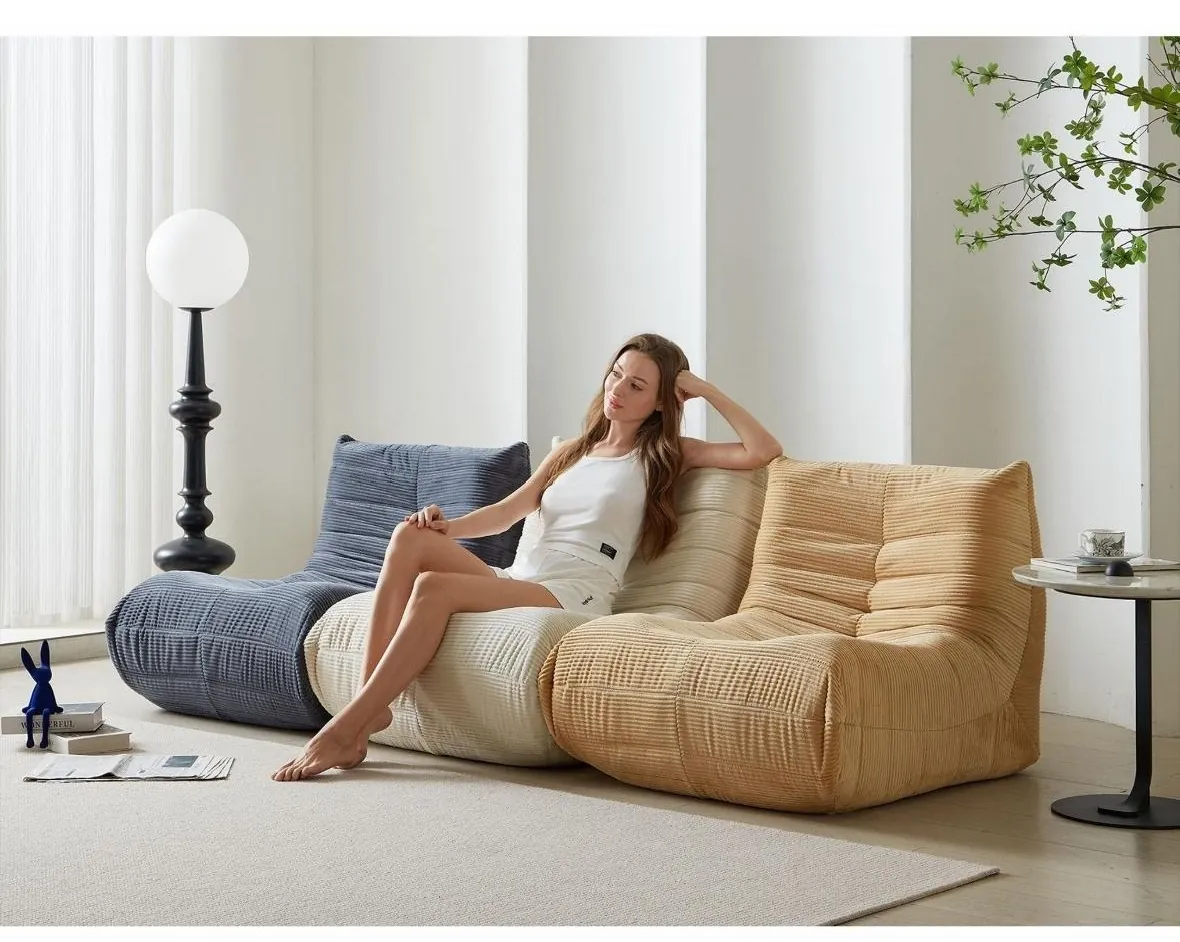
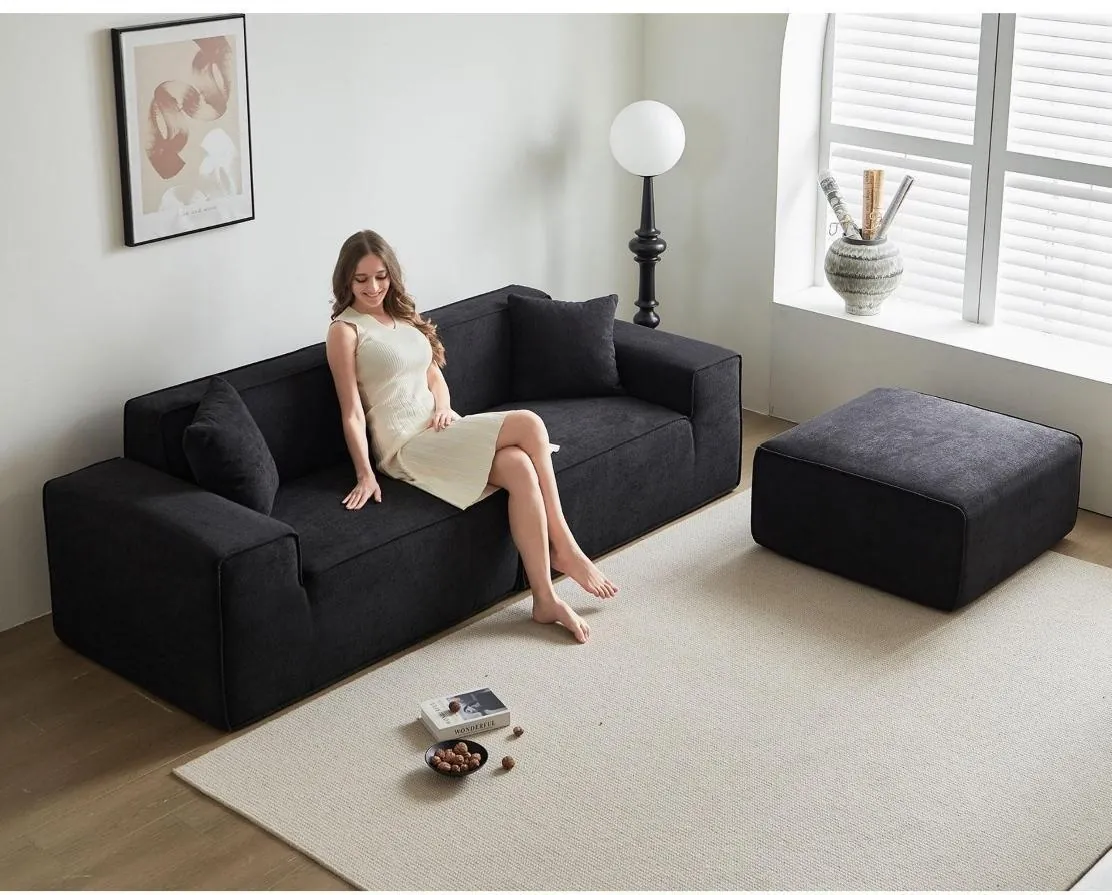
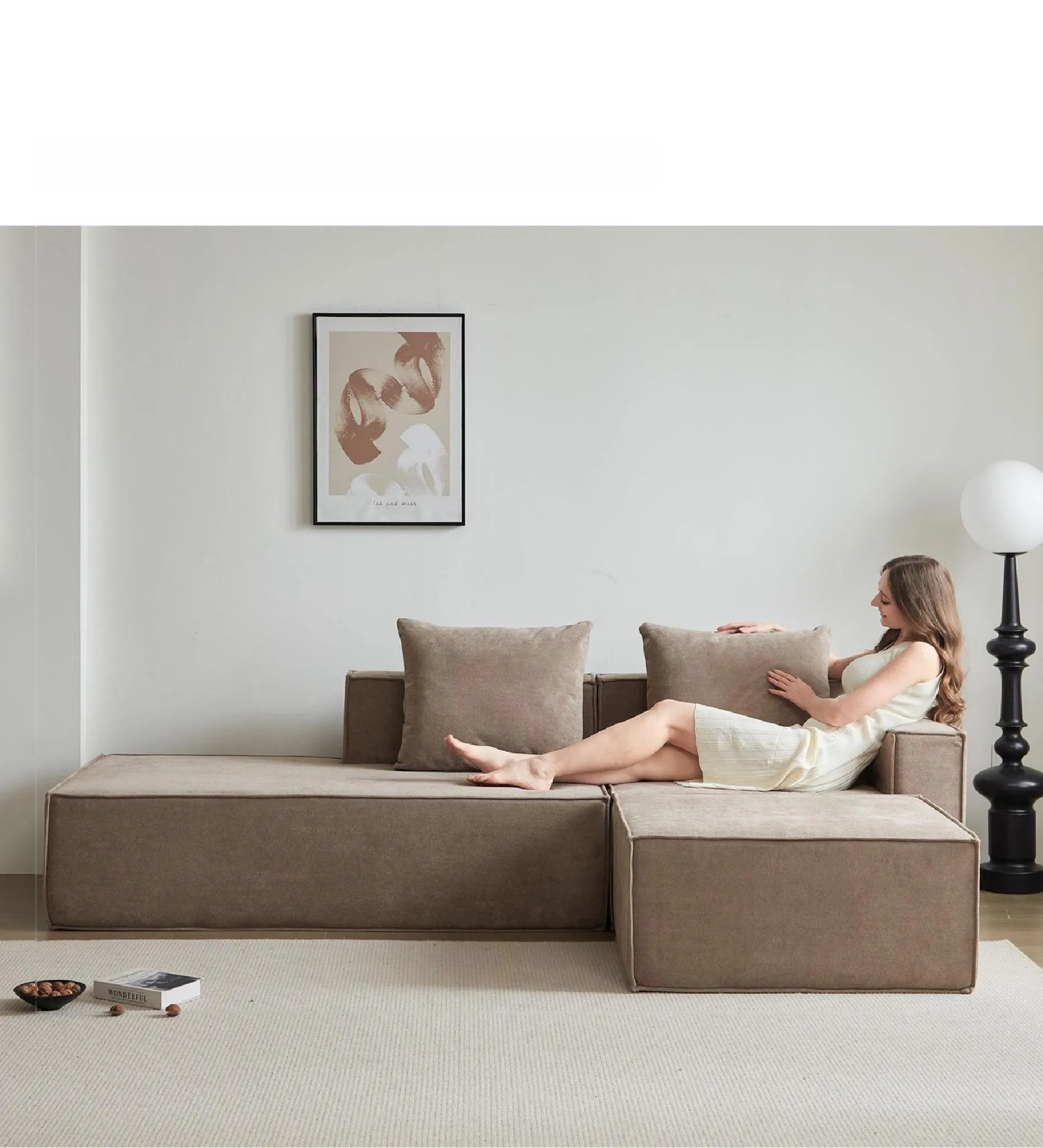
Need Custom Sofa Manufacturing or Wholesale Orders?
Whether you need OEM/ODM manufacturing, white-label packaging, or bulk wholesale from the standard catalog, F-concept Inc. is the source factory you can trust.
For the fastest quote, please provide:
- Target Market / Platform (e.g. Amazon, Wayfair)
- Estimated Quantity (standard bulk MOQ starts at 10 sets per model/color)
- Fabric & Material Requirements
- Target Price Point