Are compressed sofas a New Innovation? The History of compressed sofas
compressed sofas build on decades of material science and design evolution. What appears new in packaging is the outcome of earlier breakthroughs in pure foam structures, high-density foam chemistry, and modern vacuum compression equipment.

This article traces the category’s development across three stages: the birth of pure foam sofas, the maturity of high-density foam, and the integration of compression technology with market demand.
The Birth of Pure Foam Sofas
Pure foam construction emerged in the mid-to-late 20th century as designers abandoned rigid frames and springs. A key milestone was the 1969 Up series by Gaetano Pesce for B&B Italia, made entirely from polyurethane foam and shaped to embrace the body.
Early pure foam designs proved a sofa could rely on foam alone for form and comfort, setting the structural foundation for today’s compressed sofas.

Key developments:
- Elimination of wood frames and metal springs; foam carried structure and comfort.
- Forms could be compressed for handling, even before modern vacuum methods.
- The concept expanded design freedom and reduced manufacturing complexity.
| Aspect | Early Pure Foam Sofas (1960s–1970s) |
|---|---|
| Core Material | Polyurethane foam (no rigid frame or springs) |
| Structural Behavior | Soft, enveloping, shapeable under compression |
| Industrial Significance | Opened pathway to frame-free seating and compact forms |
The Maturity of High-Density Foam Technology
From the late 20th century to early 21st century, polyurethane chemistry advanced rapidly. High-density foams gained consistent resilience and slow, controlled rebound—crucial for compression and daily use.
Stable, high-density foam supplied the repeatable rebound and support needed to move pure foam sofas from concept to reliable products.

Industry shifts:
- Widespread adoption of high-density foam with improved elasticity and fatigue resistance.
- Small-scale production appeared, but distribution remained local due to bulky shipping.
- “Compression” functioned mainly as short-term storage, not yet a standardized process.
| Property / Requirement | Pre-Maturity Phase | With High-Density Foam |
|---|---|---|
| Rebound Consistency | Variable | Stable, predictable |
| Daily Support | Limited | Sufficient for long-term use |
| Logistics Role of “Compression” | Occasional storage tactic | Technically feasible, not yet scaled |
The Integration of Compression Technology and Market Demand
After 2010, e-commerce and cross-border retail amplified the pain points of traditional sofas: bulk, freight cost, and complex installation. Industrial compressors and roll-packers entered furniture lines, enabling sealed vacuum compression.
Modern vacuum compression reduced volume to roughly 1/5–1/3, while improved foam formulas enabled up to 99% rebound within recommended storage windows.

Key integrations:
- Deployment of large compressors and roll-wrapping machines on production floors.
- Sealed packaging maintained a compressed state for logistics and warehousing.
- Formulation optimization targeted high rebound after unpacking (often within 8 months’ storage).
| Enabler/Element | Role in Maturity | Market Effect |
|---|---|---|
| Vacuum compression gear | Volume cut to ~1/5–1/3 | Lower freight costs; scalable cross-border flow |
| Sealed packaging | Preserves compressed state | Simplifies storage and last-mile delivery |
| Foam formula optimization | Rebound up to ~99% post-unpack (window-bound) | Reliable user experience after shipping |
Conclusion
compressed sofas are not a sudden invention but the convergence of three timelines: frame-free foam design from the late 1960s, high-density foam chemistry enabling reliable rebound, and post-2010 vacuum compression aligned with e-commerce logistics. Together, these advances created a standardized product that ships small and installs fast while preserving comfort.
Planning a Retail, Distribution, or OEM / ODM Sofa Program?
F-concept Inc. supports B2B sourcing for furniture retailers, distributors, importers, projects, and growing brands. Confirm the selected model, carton plan, sample scope, and order requirements before production.
Related B2B Guides
Related OEM / ODM Products
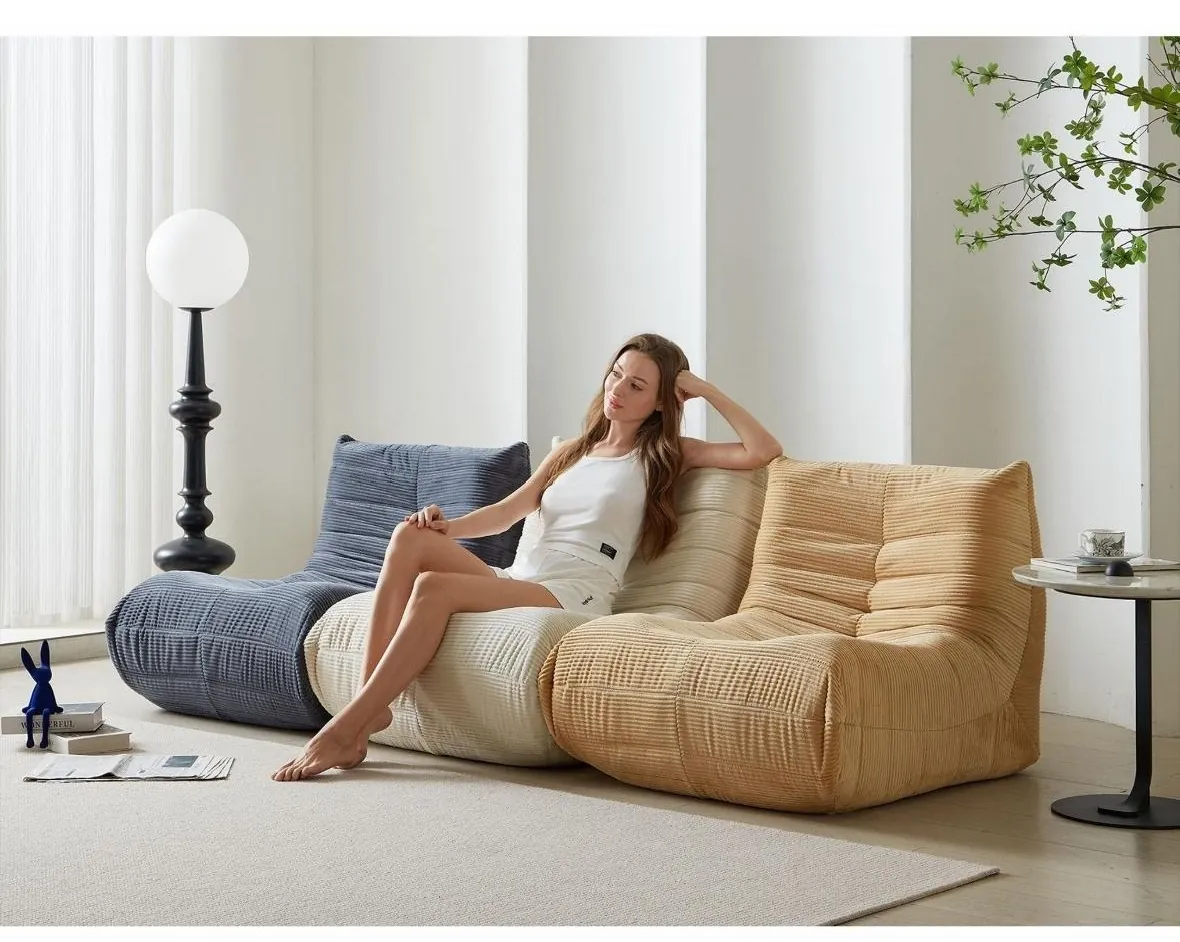
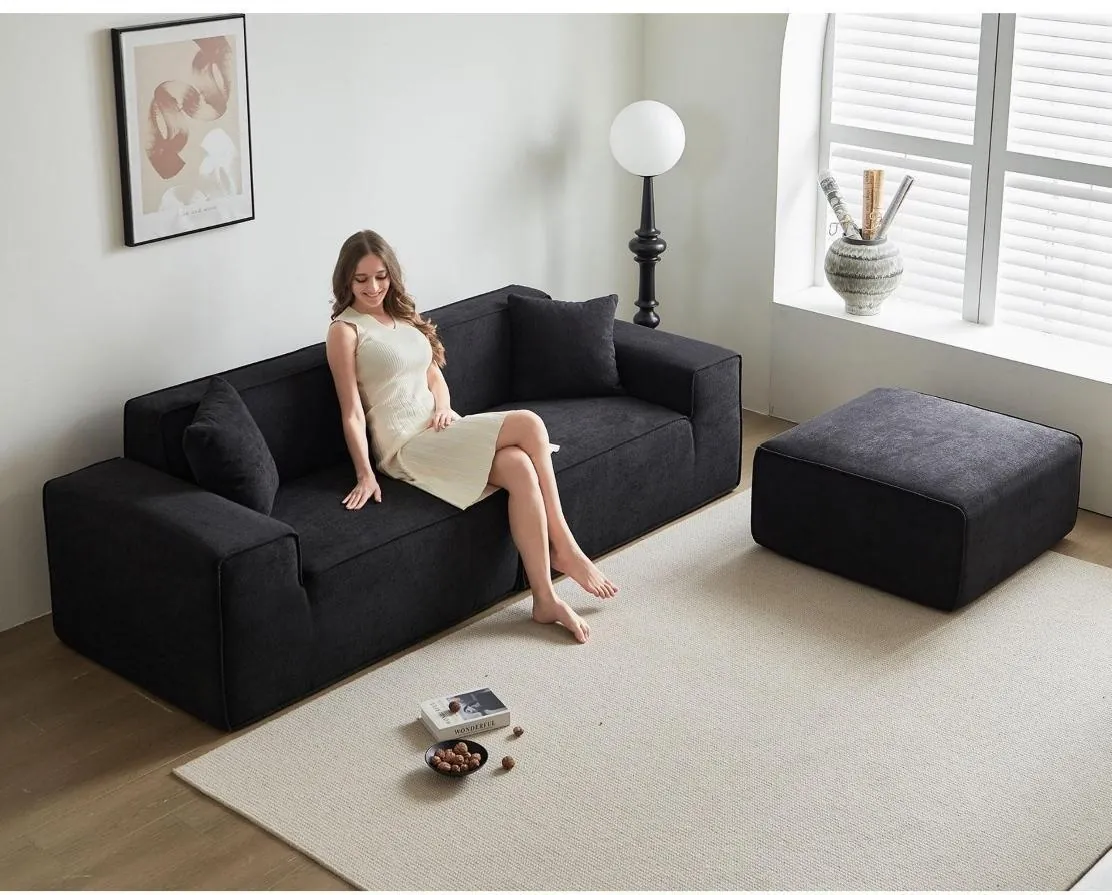
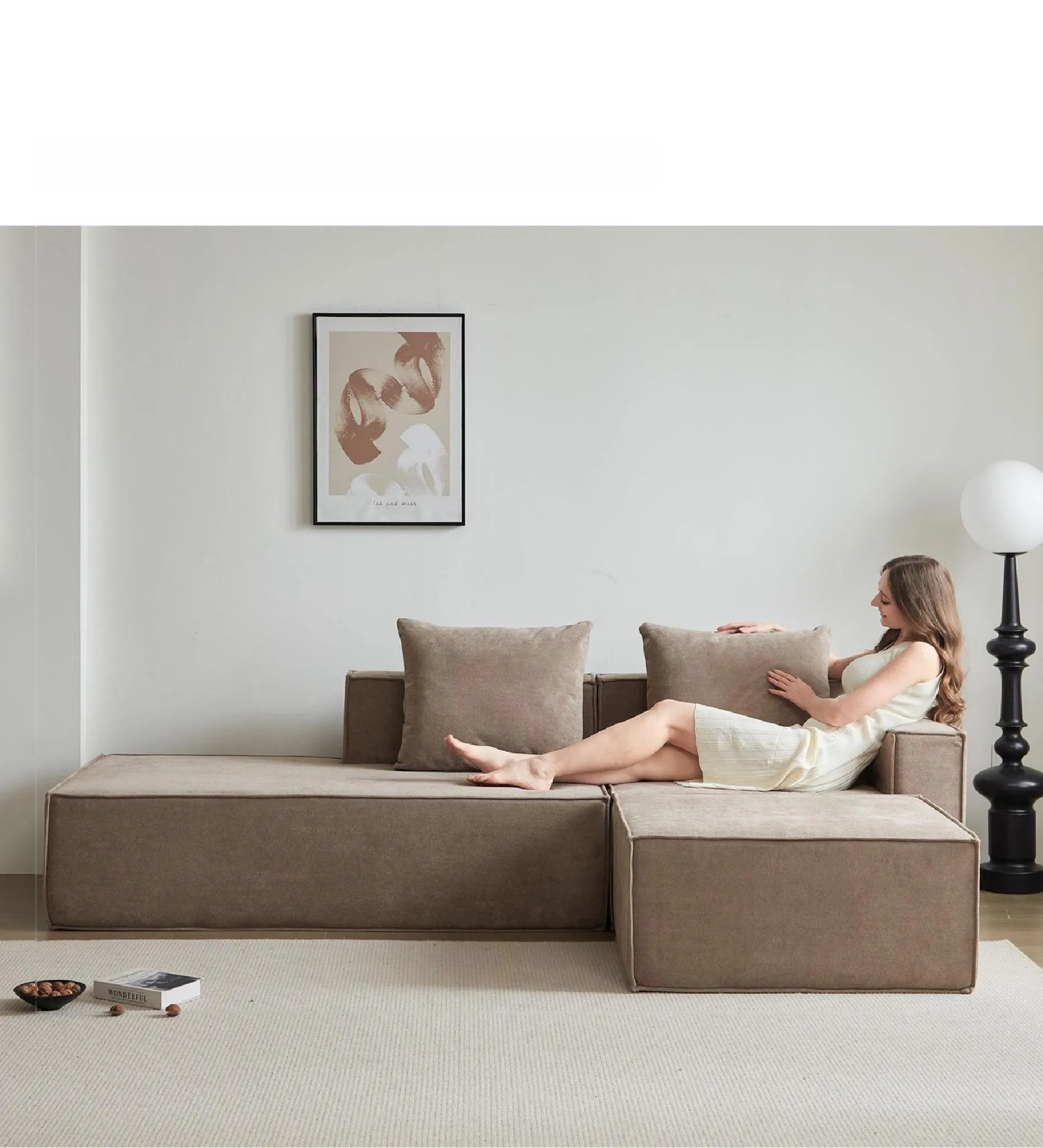
Need Custom Sofa Manufacturing or Wholesale Orders?
Whether you need OEM/ODM manufacturing, white-label packaging, or bulk wholesale from the standard catalog, F-concept Inc. is the source factory you can trust.
For the fastest quote, please provide:
- Target Market / Platform (e.g. Amazon, Wayfair)
- Estimated Quantity (standard bulk MOQ starts at 10 sets per model/color)
- Fabric & Material Requirements
- Target Price Point